
Last updated: July 7, 2026
Few years pack in as many unexplained events as 2026. From a rare six-planet alignment to a total solar eclipse crossing mainland Europe for the first time since 1999, this year’s strange events span both the cosmic and the cultural. Rare planetary alignments overlap with paranormal folklore dates that have marked calendars for centuries, making 2026 a standout year for anyone tracking strange events around the world.

UPCOMING EVENT
Total Solar Eclipse
August 12, 2026
Mainland Europe (path crosses Iceland, Spain, and parts of Portugal)
A total solar eclipse will sweep across mainland Europe for the first time since 1999. The Moon will completely block the Sun, turning day into darkness for a few minutes. Millions across Europe are expected to witness this rare celestial event.
Strange Annual Events Calendar 2026
These are the headline strange events of the year, featuring six remarkable happenings from astronomy, mystery, and the unexplained worth marking on your calendar before the dates slip past.
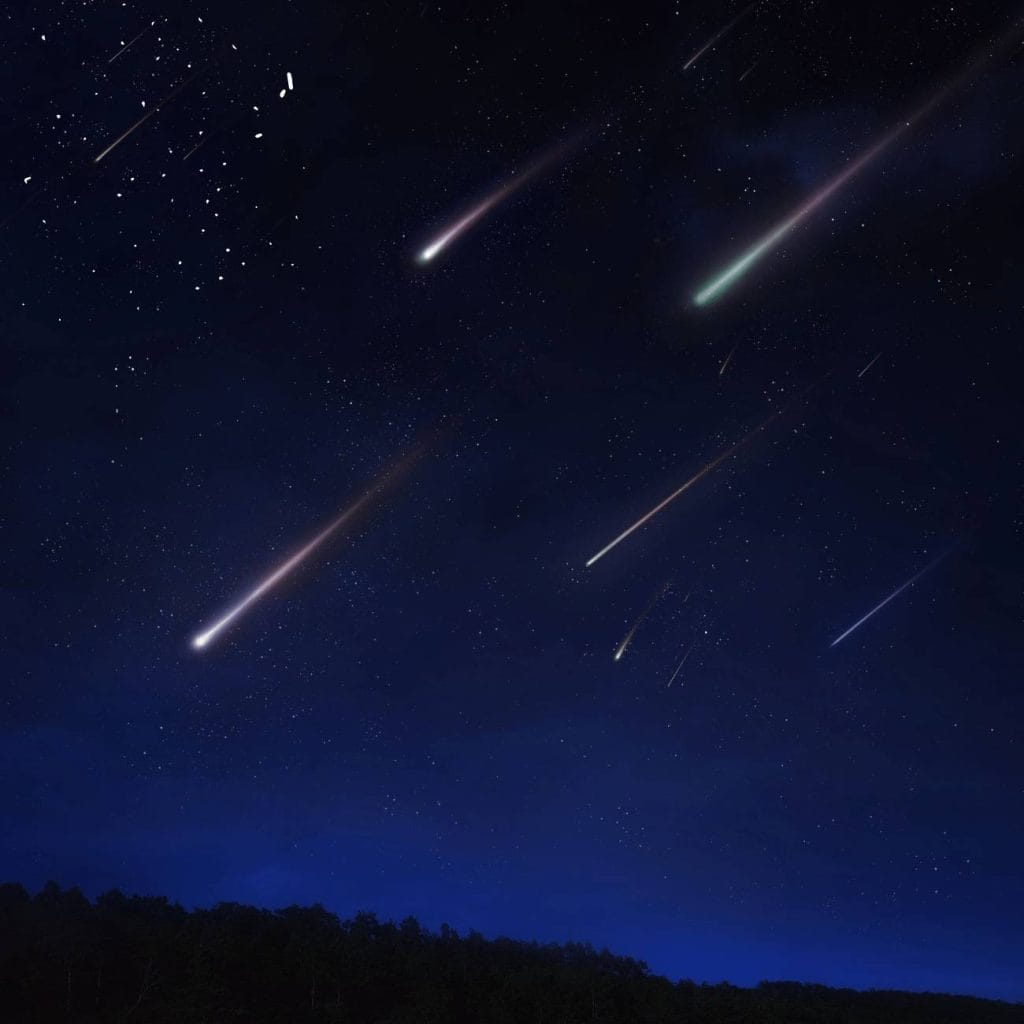
Delta Aquariids & Alpha Capricornids
Jul 30–31, 2026
Best viewed from the Southern Hemisphere
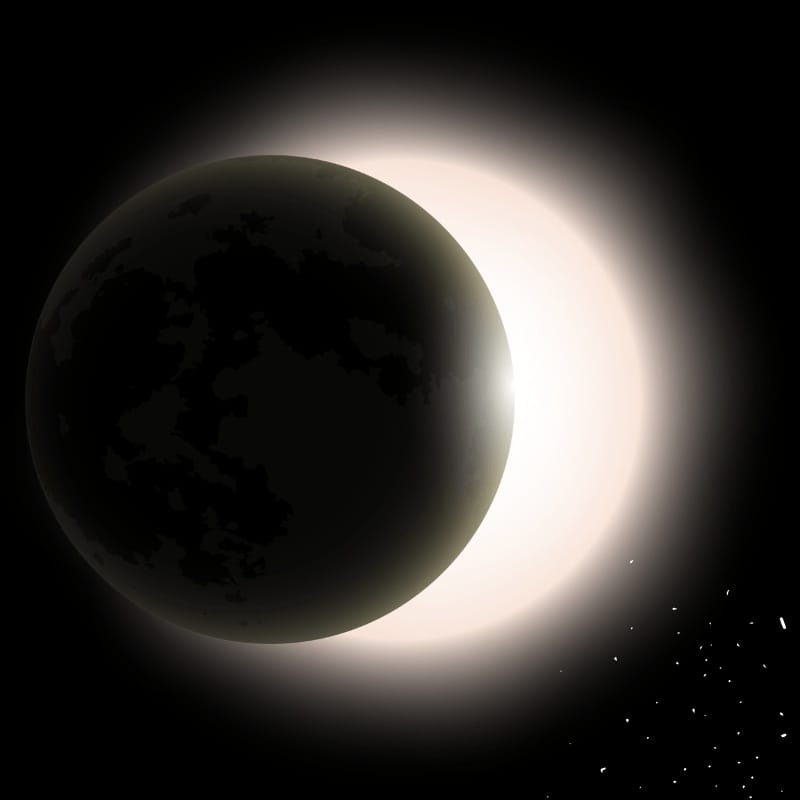
Total Solar Eclipse
Aug 12, 2026
Path crosses Greenland, Iceland, and Spain
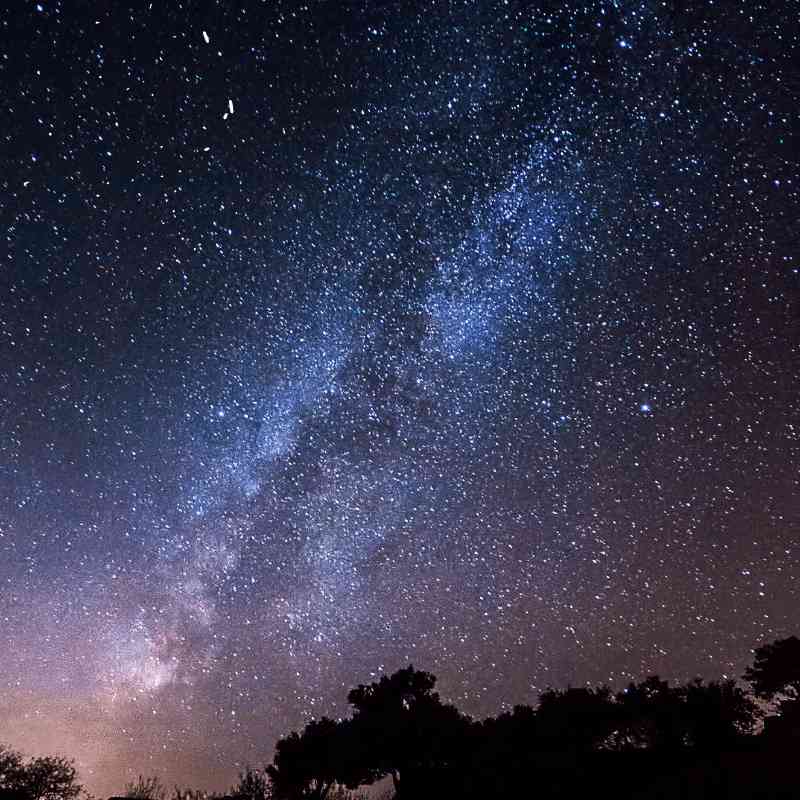
Perseid Meteor Shower
Aug 12–13, 2026
Best viewed from Southern Hemisphere, visible globally
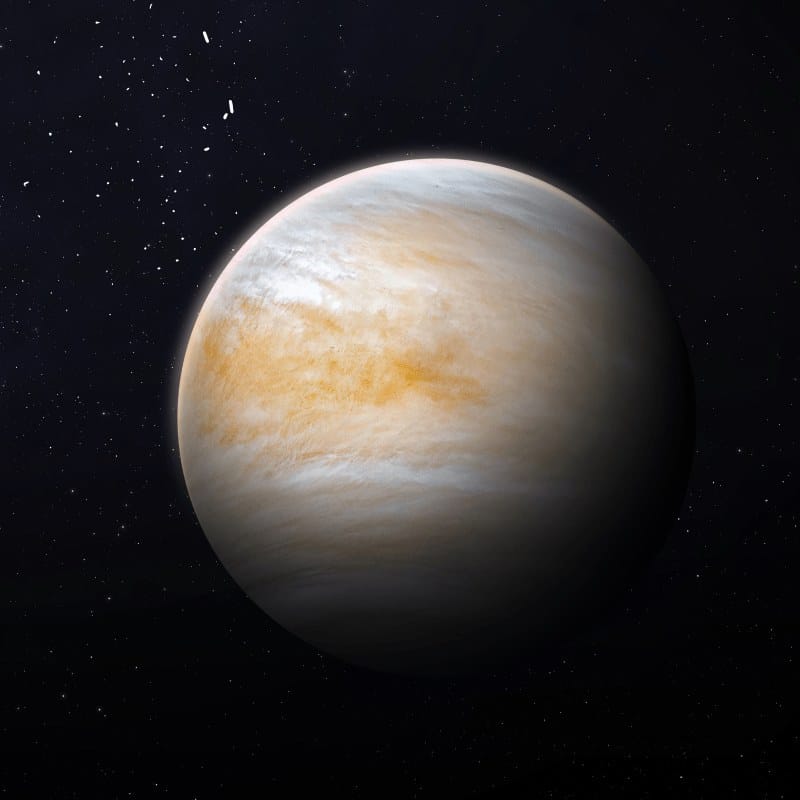
Venus Greatest Elongation
Aug 15, 2026
Best evening visibility worldwide this year
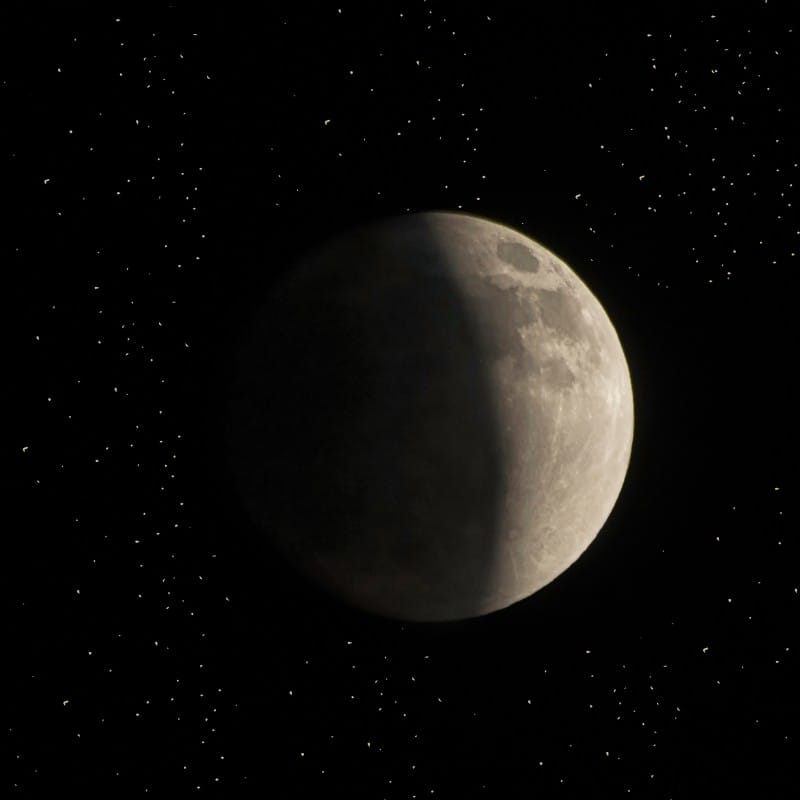
Deep Partial Lunar Eclipse
Aug 28, 2026
Visible across the Americas, Europe, Africa
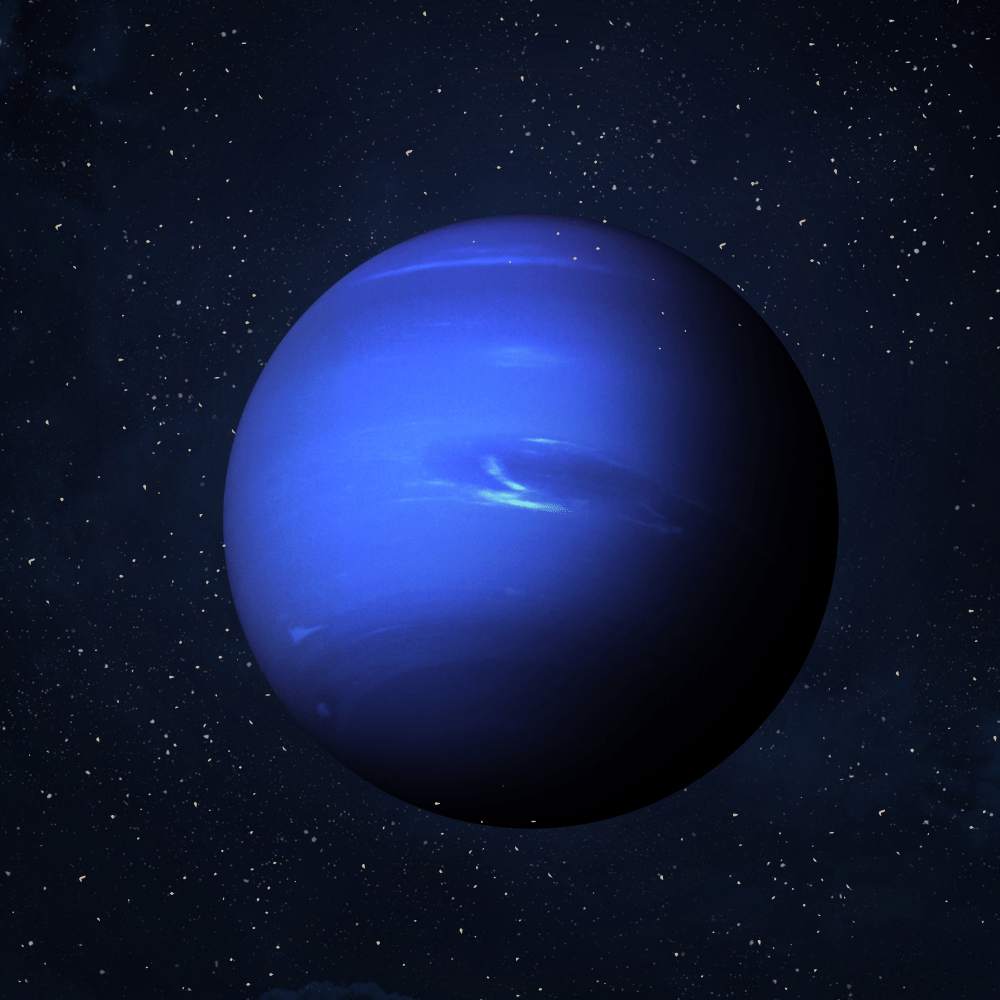
Neptune at Opposition
Sep 25, 2026
Visible worldwide with a telescope only
Beyond these headline dates, 2026 is dense with smaller scale unexplained events, meteor showers, planetary lineups, and long standing folklore dates that continue to draw attention as strange annual events.
Unexplained Events 2026
Meteor Showers & Planetary Events 2026
Meteor showers form one of the most reliable categories of strange events each year, with several dependable peaks worth planning a late night around.
Meteor Showers 2026
| Date | Event | Note |
|---|---|---|
| Jan 1–5 (peak Jan 3–4) | Quadrantid Meteor Shower | Up to 40 meteors/hour; near-full Moon limits visibility |
| Apr 21–22 | Lyrid Meteor Shower | Minimal moon interference |
| May 5–6 | Eta Aquariid Meteor Shower | Moonlight may reduce visibility |
| Jul 30–31 | Southern Delta Aquariids & Alpha Capricornids | Two minor showers peaking together |
| Aug 12–13 | Perseid Meteor Shower | Coincides with New Moon: excellent viewing |
| Oct 7 | Draconid Meteor Shower | Minor, best right after dusk |
| Oct 21–22 | Orionid Meteor Shower | From Halley’s Comet debris |
| Nov 4–5 | Taurid Meteor Shower | Slow-moving, occasional fireballs |
| Nov 17 | Leonid Meteor Shower | Peaks night of 17th–18th |
| Dec 13–14 | Geminid Meteor Shower | Most reliable shower, multi-colored fireballs |
| Dec 21–22 | Ursid Meteor Shower | Minor, 5–10 meteors/hour |
Planetary Events 2026
The night sky isn’t only busy with meteors this year. A steady run of planetary events runs alongside the meteor calendar, and a few of them are rare enough to count among 2026’s more unexplained events for casual sky-watchers.
| Date | Event | Note |
|---|---|---|
| Jan 3 | Supermoon (Wolf Moon) | First of three supermoons in 2026 |
| Jan 10 | Jupiter at Opposition | Brightest and most visible of the entire year |
| Feb 17 | Annular Solar Eclipse | Visible over the southern Indian Ocean and Antarctica |
| Feb 19 | Mercury Greatest Eastern Elongation | Best window to catch Mercury low in the west after sunset |
| Feb 27 | Venus–Saturn Close Pairing | A tight evening pairing, worth a look through binoculars |
| Mar 3 | Total Lunar Eclipse (Blood Moon) | Visible from North America right before sunrise |
| Apr 4 | Mercury Greatest Elongation | The best time all year to spot Mercury |
| May 2 | Asteroid Vesta at Opposition | Bright enough for binoculars at magnitude 5.5 |
| Jun 9 | Venus–Jupiter Conjunction | The two appear within about a degree of each other |
| Aug 15 | Venus Greatest Elongation | Best observing window for Venus this year |
| Sep 25 | Neptune at Opposition | Brightest of the year, though still dim to the naked eye |
| Oct 4 | Saturn at Opposition | Ring tilt reaches 7.5°, the best view of Saturn’s rings since 2023 |
| Oct 6 | Moon Occults Jupiter | The Moon briefly hides Jupiter for about an hour over parts of North America |
| Nov 16 | Mars–Jupiter Close Pairing | Visible low in the predawn eastern sky |
| Nov 20 | Mercury Greatest Western Elongation | Best morning visibility of Mercury all year |
| Nov 24 | Supermoon | Second supermoon of 2026 |
| Nov 25 | Uranus at Opposition | Brightest of the year |
| Dec 4 | Moon–Venus–Jupiter–Mars Grouping | A crescent Moon pairs with Venus while Jupiter and Mars form a second close duo |
| Dec 23–25 | Supermoon | The closest and largest supermoon of the year, roughly 221,667 miles away |
Weird Happenings Around the World: 2026
Meteor showers and planetary events are not the only recurring dates worth tracking. A set of paranormal and folklore rooted dates return every year, forming their own catalogue of weird happenings around the world.
From three separate Friday the 13ths to Krampusnacht, this list gathers some of the most enduring weird happenings tied to superstition and folk tradition rather than science.
| Date | Event |
|---|---|
| Feb 13 | Friday the 13th (1st of 3 this year) |
| Mar 13 | Friday the 13th (2nd of 3 this year) |
| May 3 | National Paranormal Day |
| Jun 24 | World UFO Day (Kenneth Arnold sighting) |
| Jul 2 | World UFO Day (Roswell) |
| Sep 26 | National Ghost Hunting Day |
| Oct 26 | National Pumpkin Day |
| Oct 31 | Halloween |
| Nov 1 | Día de los Muertos |
| Nov 13 | Friday the 13th (3rd of 3 this year) |
| Dec 5 | Krampusnacht |
Key Takeaways
- The February 28 six-planet alignment groups Mercury, Venus, Jupiter, Saturn, Uranus, and Neptune in one arc, a rare configuration among 2026’s unexplained events.
- The August 12 total solar eclipse is the first to cross mainland Europe since 1999.
- The Perseids coincide with a New Moon in 2026, one of the standout strange events for sky watchers in over a decade.
- Saturn’s rings reach a 7.5° tilt on October 4, the best angle to view them since 2023, making this year’s opposition worth marking on any sky-watching calendar.
- 2026 brings three separate Friday the 13ths, along with three supermoons across January, November, and December, one of the fuller supermoon years on record.
- Alongside cosmic milestones, 2026 carries a full slate of paranormal and folklore dates, from three Friday the 13ths to Krampusnacht, part of the wider list of strange events around the world.
- Together, these strange events make 2026 one of the more eventful years for sky-watchers and mystery-followers alike.
More Unexplained Events Worth Reading
2026’s calendar is only part of the story. These unexplained events and discoveries, covered in depth on StrangeHappen, sit alongside the same cosmic and paranormal threads running through this page.
Interstellar Comet 3I/ATLAS: What We Know So Far
A rare visitor from beyond our solar system, tracked as it passes through, and what it tells us about objects from other star systems.
The Non-Rotating Galaxy XMM-VID1-2075 Explained
A galaxy that appears to defy one of astronomy’s basic assumptions, and why researchers are still working out what it means.
Blood River: The Mystery Behind Russia’s Daldykan River
A river that periodically turns blood red, and the industrial and environmental explanations behind the phenomenon.
The Mum of Quetta: Pakistan’s Preserved Mystery
A centuries-old preserved body that has puzzled researchers and locals alike, and what modern examination has revealed.
Hura Crepitans: The Tree That Explodes
A tree whose seed pods burst with enough force to be heard from a distance, and the biology behind the blast.
New Species Discovery on Angola’s Lisima Plateau
A remote plateau yielding species new to science, and what isolated ecosystems like this still have left to reveal.
Frequently Asked Questions About Unexplained Events 2026
What are the biggest unexplained events happening in 2026?
The standout unexplained events of 2026 include the August 12 total solar eclipse over mainland Europe, a rare six-planet alignment on February 28, a deep partial lunar eclipse in August, and an unusual count of thirteen full moons in one year, alongside a full slate of weird happenings tied to folklore and superstition.
When is the 2026 total solar eclipse and where can I see it?
The eclipse falls on August 12, 2026, and marks the first total solar eclipse to cross mainland Europe since 1999, making it one of the year’s most anticipated strange events.
What is the six-planet alignment and how rare is it?
On February 28, 2026, Mercury, Venus, Jupiter, Saturn, Uranus, and Neptune trace a visible arc across the sky. Alignments involving this many planets at once are uncommon, which is why it ranks among 2026’s unexplained events.
Are there any UFO sightings tied to 2026?
Yes. In January 2026, unexplained lights were reported near Holloman Air Force Base in New Mexico, adding to the year’s catalogue of strange events around the world.
What meteor showers should I watch for in 2026?
The Perseids in mid-August offer the best viewing thanks to a coinciding New Moon, while the Geminids in December remain the most reliable shower of the year for multi-colored fireballs.
Why are there three Friday the 13ths in 2026?
The calendar simply aligns that way this year, with Friday the 13th falling in February, March, and November. It’s one of the more widely recognized strange annual events tied to folklore rather than astronomy.
How many supermoons will there be in 2026?
2026 has three supermoons, in January, November, and December, with the December supermoon standing as the closest and largest of the year.
What is the difference between a strange event and a paranormal event?
Strange events is a broader term covering both natural rarities, like a planetary alignment, and folklore-rooted dates, while paranormal events specifically refer to claims outside confirmed scientific explanation.
How many full moons will there be in 2026?
2026 has an unusually high count of thirteen full moons, arriving in late May, one of the smaller unexplained events sky-watchers track each year.
When is the best time to see Saturn in 2026?
October 4, 2026, when Saturn reaches opposition and its rings tilt to 7.5°, the best viewing angle since 2023.
About the Author
Mubashir Razzaq is a science and history writer for Strange happenings, specializing in space exploration, cosmic phenomena, and the folklore that surrounds them.