
Kazachstania weizmannii is a recently distinguished yeast animal categories that has earned critical consideration in 2024 for its true capacity in fighting parasitic diseases, explicitly those brought about by Candida albicans. Found by specialists at the Weizmann Organization of Science, this yeast presents a promising answer for a significant well-being challenge: obtrusive candidiasis, a hazardous condition that frequently influences immunocompromised patients. This blog jumps profound into its disclosure, remarkable elements, likely applications, and the more extensive ramifications for medical care.
Kazachstania weizmannii: A Cutting edge Revelation in Battling Contagious Diseases and Changing Stomach Well-being
Kazachstania weizmannii, a newfound yeast animal categories, offers an original way to deal with combatting contagious contamination. This historic find might upset medicines for conditions brought about by Candida albicans, featuring the capability of stomach microbiome treatments.
Discovery of Kazachstania weizmannii
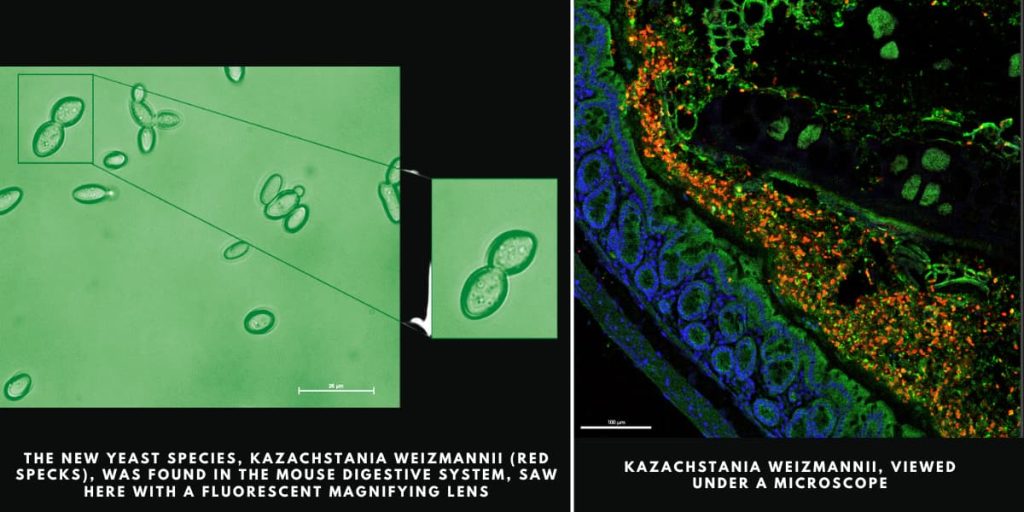
The recognizable proof of Kazachstania weizmannii was a leading edge second in parasitic exploration. While concentrating on yeast diseases in research facility mice, researchers noticed another yeast species that showed protection from colonization by Candida albicans, a typical microbe in the human stomach. The group, drove by Prof. Steffen Jung, named the yeast out of appreciation for Dr. Chaim Weizmann, the primary leader of Israel and pioneer behind the Weizmann Foundation.

The Growing Problem of Fungal Infections
Parasitic contamination are a critical worldwide medical problem, especially for people with debilitated insusceptible frameworks, for example, those going through chemotherapy or organ transfers. Candida albicans is a typical parasitic microbe answerable for shallow contamination like thrush and more serious circumstances like intrusive candidiasis. This contamination happens when the yeast infiltrates the gastrointestinal boundary, entering the circulation system and spreading to essential organs, prompting high death rates.
Unique Characteristics of Kazachstania weizmannii
Kazachstania weizmannii is a piece of the Kazachstania family, firmly connected with yeast utilized in sourdough creation. Here are its characterizing highlights:
1. Gut Adaptability
- In contrast to numerous yeast species, K. weizmannii has shown the capacity to flourish innocuously inside the stomach microbiome of mice and possibly people.
- Its presence sets off no unsafe responses, even in immunocompromised hosts, showing its similarity with the stomach climate.
2. Competition with Pathogens
- The most striking characteristic of K. weizmannii is its strategic advantage against Candida albicans. It diminishes the pathogenic yeast’s populace by involving its natural specialty inside the stomach.
- Studies propose that K. weizmannii can forestall the excess of C. albicans, in this manner decreasing the probability of obtrusive contamination.
How Kazachstania weizmannii Works
The instrument by which K. weizmannii outcompetes Candida albicans is still being scrutinized, yet starter discoveries propose the accompanying:
Specialty Contest
K. weizmannii and C. albicans strive for similar assets in the stomach. The new yeast gives off an impression of being more productive in colonizing the digestive walls, in this manner restricting the space accessible for C. albicans to flourish.
Decrease of Pathogenic Burden
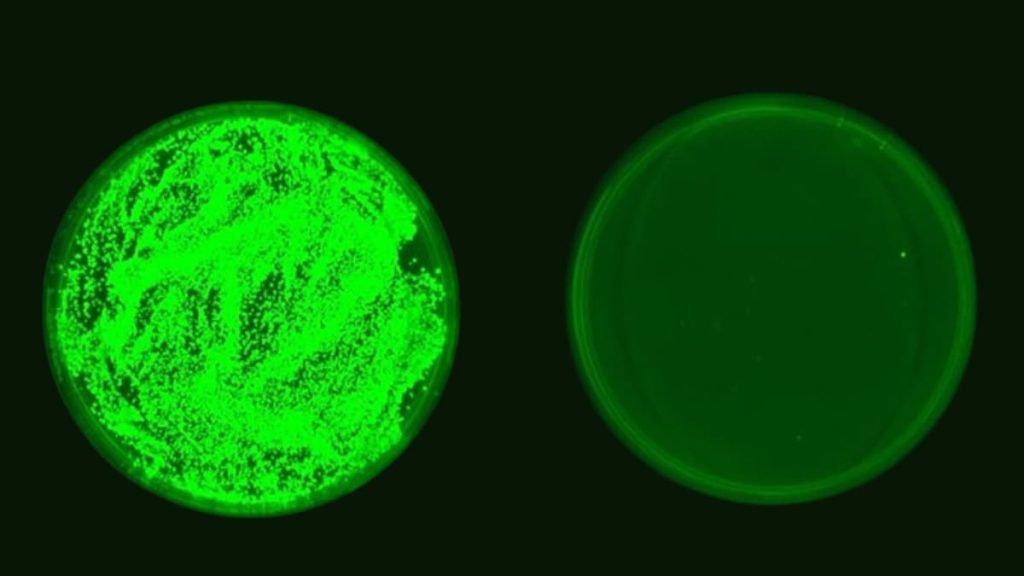
- In immunosuppressed mice presented to K. weizmannii, the number of inhabitants in C. albicans was fundamentally diminished, postponing the beginning of intrusive candidiasis.
- This recommends a likely utilization of Kazachstania weizmannii as a probiotic treatment for forestalling contagious diseases.
Potential Applications in Medicine
The recognizable proof of Kazachstania weizmannii opens new roads for treating parasitic diseases:
Probiotic Treatment
- The utilization of probiotics containing Kazachstania weizmannii could be an original methodology in forestalling C. albicans excess in danger patients.
- Further examinations are expected to decide the well-being and adequacy of such medicines in people, yet starting outcomes in mice are promising.
Option in contrast to Antifungal Medications
With rising protection from customary antifungal meds, K. weizmannii offers a potential natural control technique, diminishing dependence on drugs that frequently make extreme side impacts.
Challenges and Future Research
While the disclosure of Kazachstania weizmannii is promising, a few difficulties remain:
- Human Examinations: Exploration up until this point has been restricted to mice. Clinical preliminaries in people are important to affirm its security and adequacy in forestalling diseases.
- Guideline and Endorsement: Likewise with any new treatment, K. weizmannii will require thorough testing and administrative endorsement before it tends to be utilized as a helpful specialist.
Broader Implications for Microbiome Research
The disclosure of K. weizmannii features the significance of the stomach microbiome in keeping up with well-being and forestalling illness. It opens up inquiries regarding:
- The expected presence of other advantageous yeast species in the human stomach that could be useful to control microorganisms.
- How microbial cooperations inside the stomach microbiome can be saddled for restorative purposes.
Conclusion
The revelation of Kazachstania weizmannii marks a huge step in the right direction in the battle against parasitic illnesses, offering additional opportunities for microbiome-based medicines. As examination proceeds, this leap forward, alongside other 2024 disclosures, for example, 15,000-Year-Old Healing Secrets of Taforalt Cave, highlights the capability of consolidating antiquated information with present day science to make more secure, more viable medicines for worldwide well-being challenges. The thrilling progressions of 2024 guarantee to reshape patient consideration and decrease the overall weight of these illnesses.
Key Takeaways
- Recently Recognized Yeast: Kazachstania weizmannii, found in 2024, shows potential in battling Candida albicans diseases.
- Promising Restorative Use: It very well may be utilized in probiotic treatments as an option in contrast to conventional antifungal medications.
- Need for Additional Exploration: Human investigations are important to affirm its adequacy and security.
This momentous revelation denotes a critical achievement in understanding the perplexing elements of the stomach microbiome and its job in wellbeing and illness. As science advances, Kazachstania weizmannii may prepare for imaginative medicines, offering new desire to patients helpless against parasitic contamination.