



Coniferous Forests
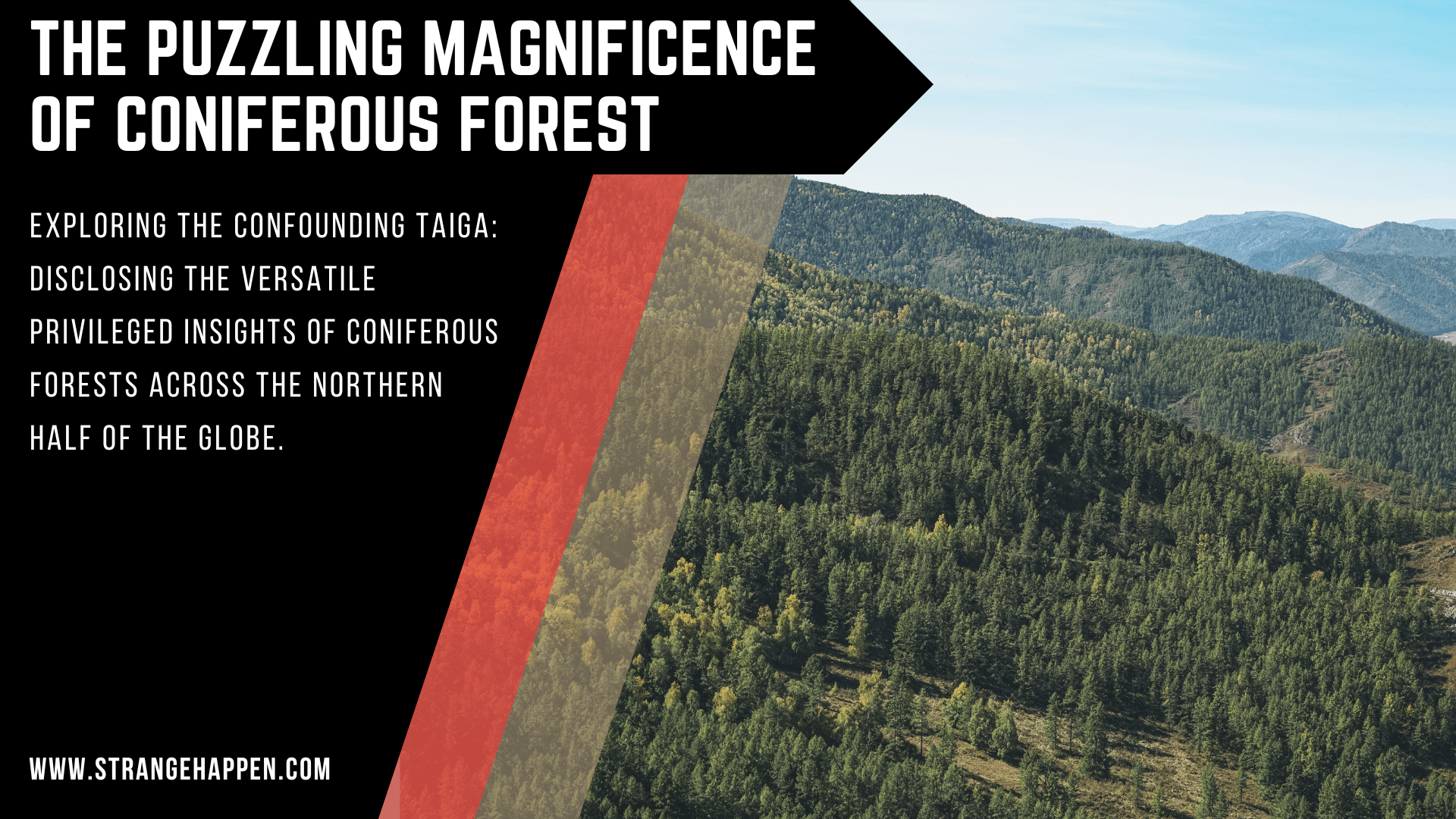
The Puzzling Magnificence of Coniferous Forest
The Cryptic Excellence of Coniferous Forests, frequently known as the taiga or boreal timberlands, are our planet’s most interesting and tough biological systems. Extending across the northern spans of North America, Europe, and Asia, these timberlands are portrayed by their thick development of cone-bearing trees like pines, tidies, and firs. We should plunge into what makes coniferous woodlands so special.
Coniferous Forests Coniferous Forests A Unique Climate Adaptation
Coniferous forests flourish in locales with long, cool winters and short, gentle summers. The evergreen trees here are adjusted to these cruel circumstances. Their needle-like leaves lessen water misfortune and can endure weighty snow. These trees stay green all year, exploiting the concise developing season to photosynthesize and develop.
Coniferous Forests Rich Ecosystems
Despite the difficult climate, coniferous forests are clamoring with life. The woodland floor frequently brags a thick layer of vegetation, lichens, and plants. That gives natural surroundings and food to different species. Animals like moose, bears, and wolves meander through the forest. While birds like Owls and woodpeckers track down cover in the tall trees. Also, Venomous Creatures like Cobra Lilies, snakes, carpet beetles, and different Ants add to the environment. Bigger warm-blooded animals like giraffes and deer meander close by, while lions might possess contiguous locales. Venomous Spiders can likewise be found prowling in the shadows, displaying the timberland’s many-sided equilibrium of life.
Crucial Role in Climate Regulation
Coniferous Forests assume an imperative part in the worldwide biological system. They go about as huge carbon sinks, engrossing carbon dioxide from the air and assisting with relieving environmental change. The chilly, thick soils in these woods store carbon for extensive stretches, further upgrading their job in environmental guidelines.
Conservation Challenges
Regardless of their versatility, coniferous forests face critical dangers. Logging, mining, and environmental change are seriously endangering these biological systems. Climbing temperatures and expanded recurrence of fierce blazes are adjusting the fragile equilibrium of these timberlands. Preservation endeavors are pivotal to safeguard these regular fortunes and keep up with their biological capabilities.
Coniferous Forests Fascinating Facts
- Greatest Biome: Coniferous backwoods are among the biggest biomes on The planet, covering huge districts across the northern side of the equator. They range across North America, Europe, and Asia, giving a vital environment to various species and assuming a critical part in the planet’s environmental guidelines.
- Tree Varieties: Numerous coniferous trees have adjusted to their surroundings with elements, for example, waxy coatings on needles to forestall water misfortune and adaptable branches that can shed snow without any problem. These variations empower them to flourish in chilly, unforgiving environments where different plants might battle to get by.
- Biodiversity: Coniferous backwoods are home to a different scope of natural life. Species like bears, moose, and different birds depend on these backwoods for food and asylum. The thick foliage gives incredible cover to numerous creatures, making a mind-boggling biological system where hunters and prey coincide.
- Relocation Examples: A few creatures in coniferous backwoods, similar to caribou, move occasionally to track down food and reasonably favorable places. This development is fundamental for their endurance, as they search out regions with plentiful assets during various seasons.
- Job in Carbon Sequestration: Coniferous backwoods assume a basic part in relieving environmental change by engrossing carbon dioxide from the air. The thick tree cover goes about as a carbon sink, putting away carbon and delivering oxygen, which is fundamental for keeping up with biological equilibrium.
- Monetary Significance: These woods are huge for biodiversity and environment guideline as well as have impressive financial worth. They give wood, paper items, and different assets, adding to neighborhood and worldwide economies.
- Social Importance: Coniferous woods hold social significance for the overwhelming majority of native people groups. They depend on these timberlands for customary practices, food sources, and restorative plants, featuring the association between nature and social legacy.
Investigating and Safeguarding
Visiting coniferous woodlands offers a brief look into a universe of versatility and variation. Whether you’re climbing through snow-shrouded scenes or noticing rich biodiversity, these woods and animals uncover nature’s magnificence. Supporting preservation endeavors and feasible ranger service rehearses guarantees people in the future can see the value in these mind-blowing environments.
All in all, coniferous woodlands are something beyond an assortment of trees — they are dynamic, life-supporting frameworks that assume a vital part in our Earth’s well-being. Understanding and safeguarding them is fundamental for keeping up with the equilibrium of our worldwide climate.