

American Alligator
Lofty Hunter: Disentangling the Secrets of the American Alligator
American alligator: At the point when individuals consider Louisiana’s wetlands, crocs are typically the principal animals that ring a bell. Nonetheless, very few understand that crocodiles additionally call this novel environment home. While they are more uncommon than their croc cousins, these slippery reptiles add a layer of secret to Louisiana’s wild scenes.
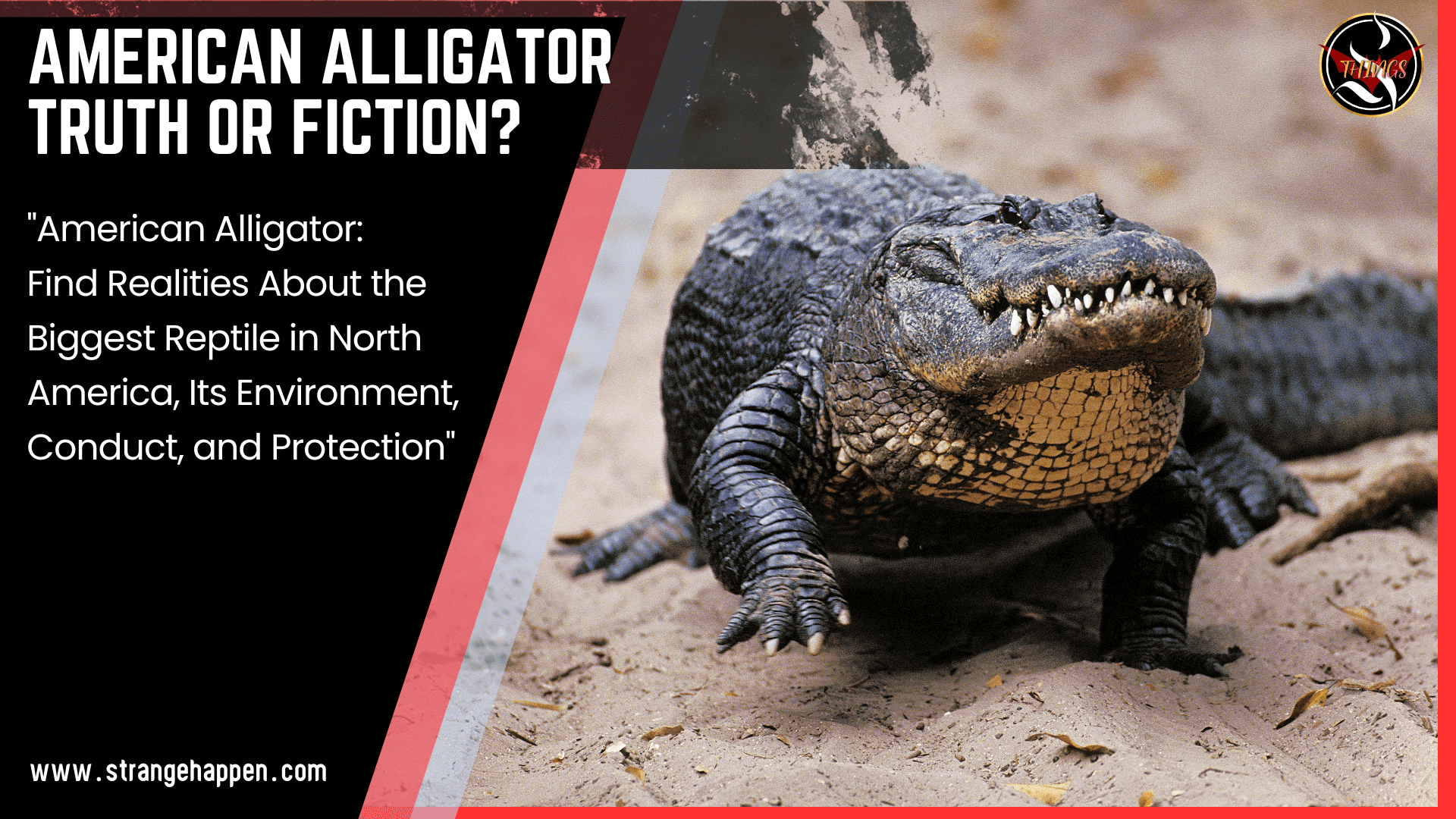
American Alligator: Truth or Fiction?
The American alligator (Crocodylus acutus) is essentially tracked down in southern Florida, where it flourishes in freshwater natural surroundings like bogs, swamps, and waterways. Be that as it may, their reach sporadically stretches out into the sloppy areas of Louisiana. These considerable reptiles assume a pivotal part in keeping up with the biological system’s equilibrium by controlling fish and land and water proficient populaces and making and keeping up with wetland environments. While sightings of gators in regions outside their common reach are uncommon, they do happen, igniting interest and worry about their flexibility to changing ecological circumstances.
As environmental change and territory modification keep on influencing their regular habitats, the inquiry emerges: Are American alligators turning into a more long-lasting piece of the biological system in locales recently considered unsatisfactory? This potential territory extension raises significant ramifications for protection endeavors and environmental well-being. Understanding the variables that add to these sightings is crucial for screening their way of behaving and appropriation. This continuous request not only reveals insight into the flexibility of these surprising reptiles but also features the requirement for additional examination into their versatility in a steadily impacting world.
American Alligator: Territory and Conduct
Louisiana’s bogs, narrows, and swamps offer an optimal climate for alligators to flourish. With bountiful food sources, these reptiles can track down fish, birds, and little warm-blooded creatures to benefit from. Not at all like the gator, which favors freshwater conditions, The American alligator can endure saltwater, permitting them to investigate various locales, including seaside regions.
American Alligator vs Crocodiles
To the undeveloped eye, gators and crocodiles can show up practically the same. Be that as it may, a couple recognizing highlights put them aside:
Nose Shape: Crocodiles have a Rakish, pointed nose, while gators boast a greater, U-formed nose.
Teeth: At the point when a crocodile shuts its mouth, the two upper and lower teeth are noticeable. Conversely, a crocodile’s upper teeth typically cover the lower ones.
Size and Variety: Crocodiles will quite often be lighter in variety, showing up more grayish, while alligators have a hazier, blackish shade.
Preservation and Insurance
American alligators are viewed as a weak animal type. Louisiana’s wetland safeguarding endeavors by implication benefit crocodiles by keeping up with sound biological systems that help all reptile life. Neighborhood affiliations, similar to the Louisiana Division of Normal Life and Fisheries, effectively work to shield these unique reptiles while adjusting the necessities of human inhabitants and the travel industry.
One of a kind Concurrence
However, still an uncommon sight, the presence of crocodiles in Louisiana addresses the state’s dynamic and various natural life. As preservation endeavors proceed, maybe people in the future will see crocodiles as much a piece of Louisiana as the notorious gator.
Whether you’re wandering into the inlet or examining the bogs from a far distance, look out — no one can really tell when one of these striking reptiles might show up!
conclusion
While the American gator rules Louisiana’s wetlands, the presence of crocodiles adds interest to the state’s environment. With progressing preservation endeavors, the concurrence of the two species might turn out to be more normal. Louisiana additionally has a portion of the world’s most venomous Spiders, similar to the dark widow and earthy-colored loner, featuring the different untamed life in the district. These animals help us to remember the rich biodiversity that flourishes in Louisiana’s wetlands.