



Animals Predict the Future

Animals Predict the Future: Nature’s Mysterious Forecasters
The animals of the world collectively is loaded with amazements, and one of its most abilities to interest is that creatures foresee what’s to come. While science battles to make sense of how they get it done, animals predict the future by detecting changes in their current circumstance before people can. From anticipating catastrophic events to detecting medical issue, these animals make no sense and exhibit nature’s secret marvels.
How Do Animals Predict the Future?
Numerous animals predict the future utilizing elevated detects that permit them to distinguish changes in the climate before people do. Some depend on their intense hearing, smell, or aversion to electromagnetic fields, while others can get on vibrations and strain shifts. Whether it’s through intuition, transformative variation, or something more puzzling, these animals have bewildered specialists for quite a long time.
Animals That Predict Natural Disasters
1. Dogs and Earthquakes

Dogs have been noticed acting oddly before seismic tremors strike. Some show fretfulness, inordinate yapping, or a dire need to get away from their homes.
Science Behind It: Dogs might detect vibrations in the ground through their delicate paws and hear frequencies vague to human ears. This is a reasonable illustration of how creatures foresee what’s in store.
2. Cats and Tsunamis

During the staggering 2004 Indian Ocean torrent, many individuals detailed their cats acting troubled hours before the calamity. Some stowed away, wouldn’t eat, or attempted to get away.
Science Behind It: Cats have intense hearing and aversion to environmental tension changes, permitting them to distinguish shifts in air and water development. Their capacity to detect these progressions upholds the possibility that creatures anticipate what’s to come.
3. Elephants and Earthquakes

Elephants have been seen moving away from tremor inclined regions before seismic action starts.
Science Behind It: Their capacity to recognize low-recurrence vibrations, known as infrasound, through the ground furnishes them with an early advance notice framework. Here creatures anticipate what was to come through increased discernment.
4. Toads and Earthquakes

A concentrate in Italy found that a province of Toads vanished from their lake days before a significant earthquake.
Science Behind It: Changes in groundwater science because of structural movement might influence their delicate skin, provoking them to look for well-being. This builds up the thought that animals predict the future by responding to natural movements.
5. Sharks and Storms

Sharks are known to swim to more profound waters before typhoons hit.
Science Behind It: Sharks can detect barometric strain changes, which permits them to anticipate moving toward storms and keep away from difficult situations. This peculiarity further demonstrates that creatures foresee what’s in store.
Animals That Predict Weather Changes
6. Cows and Rain

An old conviction cows rests before it downpours, and science backs this up.
Science Behind It: Cows are delicate to mugginess and barometric tension changes, which might impact their way of behaving. This well established shrewdness proposes that animals predict the future by responding to shifts in their environmental elements.
7. Birds and Storms

Birds have an exceptional capacity to recognize moving toward storms. Numerous species, for example, swallows and pigeons, change their flight designs or relocate early when terrible weather conditions is coming.
Science Behind It: Birds have inward ear pressure sensors that assist them with identifying environmental changes. This further affirms that animals predict the future in manners people can’t.
8. Frogs and Rainfall

Some frog species croak stronger and all the more as often as possible before downpour shows up.
Science Behind It: Their vocal action is connected to mugginess and temperature changes, which signal forthcoming precipitation. This special conduct shows how animals predict the future through ecological awareness.
Animals That Sense Health Conditions and Death
9. Dogs Detecting Illness

Dogs have been prepared to identify sicknesses like disease, diabetes, and even seizures.
Science Behind It: Their intense feeling of smell permits them to get on substance changes in the body before side effects show up. This causes them priceless in demonstrating that creatures to anticipate the eventual fate of human well-being.
10. Cats and Death Prediction

A renowned instance of a cat named Oscar in a nursing home acquired consideration since it would sit next to patients who were near death.
Science Behind It: Cats might detect biochemical changes or unobtrusive changes in internal heat level as death draws near. This supports that creatures anticipate the future by recognizing indistinct changes.
11. Bees and Electromagnetic Fields

Honey bees are profoundly delicate to electromagnetic changes and can anticipate sun oriented storms that influence Earth’s climate.
Science Behind It: Honey bees utilize Earth’s attractive field for route, and sun powered storms impede their direction and conduct. This further backings the case that animals predict the future by answering inconspicuous powers.
Scientific Explanations Behind Animals Predict the Future
While large numbers of these forecasts might seem like powerful capacities, science gives a few clarifications:
- Aversion to Vibrations: Numerous animals predict the future by identifying ground vibrations well before people.
- Changes in Air Tension: Climate delicate animals answer barometric shifts, further demonstrating that creatures foresee what’s to come.
- Electromagnetic Responsiveness: A few animals see changes in Earth’s attractive field, affirming that animals predict the future utilizing normal signals.
- Substance and Hormonal Signs: Animals can identify biochemical changes in people and the climate, showing that animals predict the future even in well-being related situations.
- Electrical Field Location: A few marine animals, similar to sharks and beams, can identify unobtrusive changes in electrical fields, assisting them with foreseeing ecological changes.
- Infrasound Insight: Numerous animals, including elephants and whales, convey utilizing infrasound, which additionally assists them with detecting far off normal occasions before they happen.
- Intensity and Infrared Location: A few reptiles, like snakes, can distinguish slight changes in heat, permitting them to answer natural changes before people notice them.
Conclusion
Animals have uncommon capacities that science is simply starting to comprehend. Whether it’s foreseeing earthquakes, distinguishing sicknesses, or detecting shifts in weather patterns, these animals advise us that nature is loaded up with secrets. By intently noticing their way of behaving, we may one day open insider facts that could be useful to us foresee fiascos and save lives.
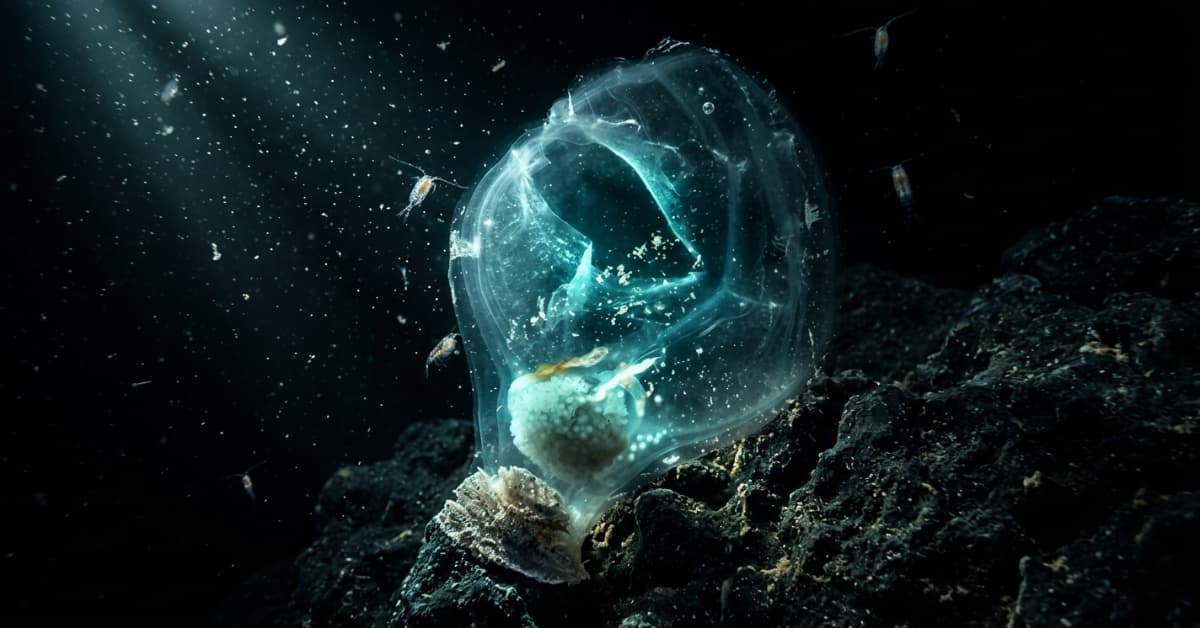
For instance, elephants have been noticed moving to higher ground before tidal waves, potentially identifying seismic vibrations intangible to people. Bats, similar to the hammaer headed bat, depend on echolocation and increased aversion to natural changes, which could make sense of their strange responses before storms. Indeed, even remote ocean animals like the red-lipped batfish or glass octopus might have remarkable variations that permit them to answer unobtrusive changes in maritime circumstances.
Nature has outfitted creatures with worked in endurance components — maybe it’s time we began listening all the more intently. These models clarify that numerous species have an uncanny capacity to predict occasions. Animals predict the future involving their impulses and elevated faculties in manners we are simply starting to understand.
One thought on “Animals Predict the Future”
Leave a Reply
You must be logged in to post a comment.
Exceptional technology! Have you experienced the power of AI KungFu in transforming photos?