



- Ancient Technologies
- Fun Facts
- Science
- Science and Technology
- Science Fun Facts
- Technology and Innovation
Soviet Union
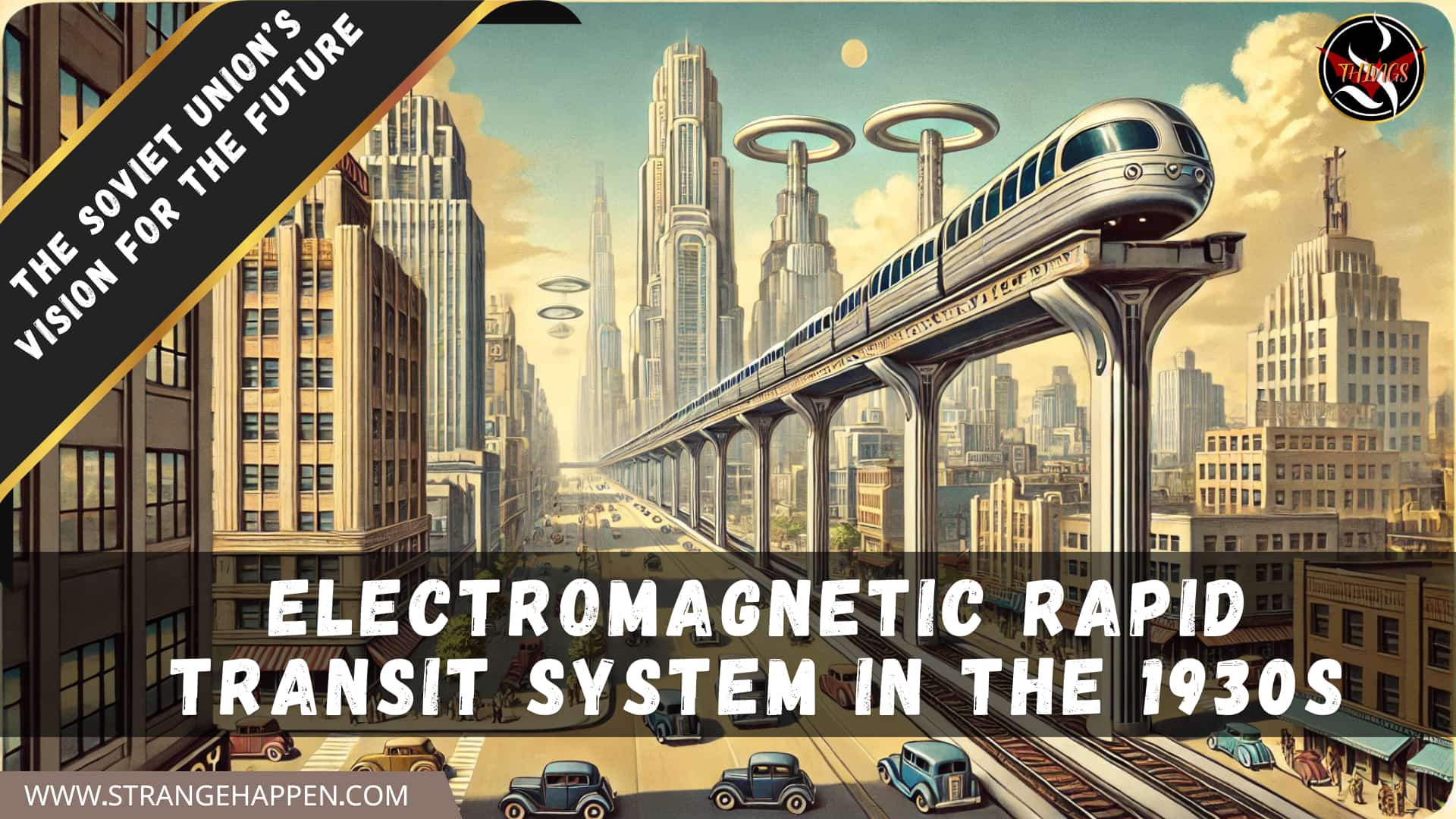
Soviet Union Vision for the Future: Electromagnetic Rapid Transit System in the 1930s
Soviet Union Vision for the Future: During the 1930s, the Soviet Union was a hotbed of current considerations. Perhaps one of the most innovative ideas that arose during this time was the Electromagnetic Fast Travel Framework, a dream representing things to come for relatively radical transportation.
Soviet Union: A Brief Look into the 1930s’ Cutting-edge Transportation
This modern framework was imagined as a fast travel network that would utilize electromagnetic impetus to move trains at high rates. The thought behind this framework depended on utilizing the force of electromagnetism to upset how individuals traversed urban communities. However the innovation didn’t appear in the structure outlined, it displayed the desire of Soviet Union specialists and organizers to jump into what was in store.
The Idea Driving Electromagnetic Impetus
The standard behind this framework was attractive levitation (Maglev). By utilizing electromagnetic powers, trains would float simply over the tracks, diminishing grinding and taking into account more noteworthy velocities. The representation portrays transcending structures with rings that appear to direct these smooth, cutting-edge trains along raised pathways over the city.
A few vital elements of this vision include:
- Modern Plan: Raised tracks and circled pathways that were intended to house attractive loops, which would drive trains forward.
- Smooth, Smoothed-out Trains: The trains were intended for quick development, potentially arriving at speeds that regular trains of the time couldn’t envision.
- Metropolitan Productivity: By hoisting the framework over the roads, it was expected to lessen clogs in metropolitan regions, considering smooth and continuous travel.
The Reality of Soviet Transportation Innovation
While the vision found in the outline never showed some signs of life, it mirrored the Soviet Union’s desires for mechanical headway in transportation. During this time, numerous Soviet Union specialists were at that point gaining ground in regions like flight and rail innovation.
Attractive levitation as an idea turned out to be all the more broadly investigated after the 1930s, especially in Japan and Germany. The present Maglev trains, for example, the ones utilized in Shanghai and a work in progress in a few different regions of the planet, are established in these early ideas of electromagnetic travel.
The Cultural Significance of These Futuristic Ideas
The Soviets were known for their aggressive dreams representing things to come, and these thoughts were in many cases reflected in their specialty, design, and design activities. They had confidence in making an existence where innovation could settle a considerable lot of the issues society confronted. This delineation, in the same way as other others from that time, is a portrayal of idealistic yearnings — a conviction that what was to come held tremendous opportunities for humankind.
Why These Thoughts Didn’t Emerge
While the vision was aggressive, a few difficulties would have made such an undertaking troublesome during the 1930s:
- Mechanical Impediments: The innovation to construct such a framework was not accessible at that point. The materials and designing strategies expected for an attractive levitation train framework were still in their outset.
- Financial Elements: The Soviet Union was going through a time of quick industrialization, yet it likewise confronted serious monetary limitations that made enormous foundation projects challenging to accomplish.
- World Occasions: The flare-up of The Second World War and the resulting center around military innovation and recreation endeavors outweighed cutting-edge regular citizen projects.
Custom of the Electromagnetic Travel Vision
While the Soviet Union’s electromagnetic travel arrangement of the 1930s remained an idea, it enlivened people in the future of specialists and organizers. Today, Maglev innovation is a reality, with nations like China and Japan pushing the limits of what was once a fantasy. This shows that, while certain thoughts might appear to be unthinkable at that point, they frequently make ready for future developments.
Conclusion
The 1930s Soviet Union Electromagnetic Quick Travel System is a fascinating outline of early futurism, addressing an intense vision of how development could change metropolitan networks and social orders. While it never completely reached life, its heritage perseveres in present-day mechanical headways. Similar to the Ancient Technologies that laid the basis for present-day creations, this structure features the force of the creative mind in molding mechanical advancement, demonstrating how visionary thoughts can impact the fate of mechanical turn of events and cultural change.