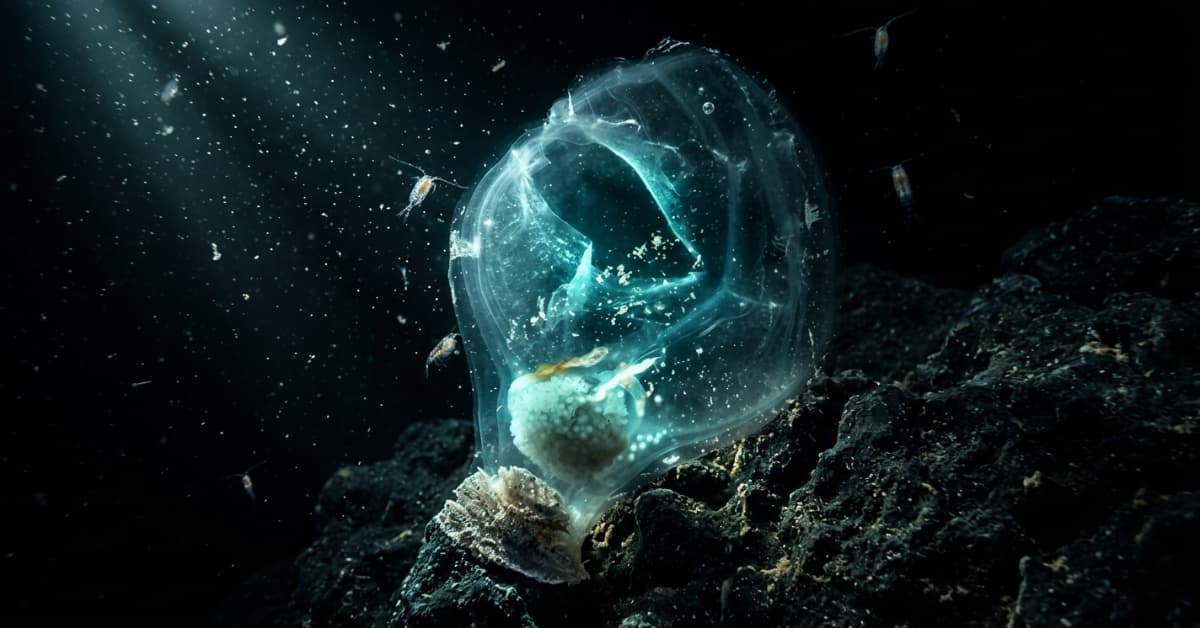



Nereidid Worm

New Discovery: The Deep-Sea Nereidid Worm of Costa Rica
Nereidid worms, In 2024, sea life researcher made an earth-shattering revelation of another types of nereidid worm in the methane leaks off the shoreline of Costa Rica. This new worm species has enamored specialists because of its extraordinary transformations to outrageous remote ocean conditions.
What is Nereidid Worm
Nereidid worms, or ragworms, are important for the polychaete family Nereididae. These worms normally possess shallow marine conditions, however this new disclosure features a developmentally adjusted adaptation flourishing in remote ocean methane leaks, an outrageous living space beforehand neglected for such species.
Anatomy
The newfound nereidid worm displays a few novel physical elements:
- Body Design: This species has a fragmented body with a progression of parapodia (sidelong extremities) that guide in development across the seabed. The fragments are covered with minuscule fibers called chaetae, which assist with motion.
- Specific Gills: Dissimilar to shallow-water nereidid worms, this remote ocean variation has created particular gills. These gills, situated along its sections, are vital for removing oxygen from the low-oxygen climate regular of methane leaks.
- Improved Setae: The worm highlights broadened setae (bristles) close to its head, which might act as tactile organs, helping it explore and distinguish prey or mates in obscurity, high-pressure climate.

Life Cycle
The existence pattern of the remote ocean nereidid worm, albeit not completely concentrated at this point, possible mirrors that of its shallow-water family members yet with variations to its special natural surroundings:
- Egg Stage: The nereidid worm starts life as a prepared egg, normally laid in groups on the seabed.
- Larval Stage: After incubating, the worm enters a larval stage, where it floats with sea flows. At this stage, it might benefit from infinitesimal tiny fish until it chooses the ocean bottom.
- Adolescent to Grown-up Stage: As an adolescent, the worm begins fostering its trademark fragments and gills. It continuously develops into a grown-up, equipped for exploring the methane leak climate and benefiting from its essential eating regimen.
- Propagation: Mature grown-ups likely participate in outer preparation, where eggs and sperm are delivered into the water, depending on sea flows to work with the blending and treatment process.
Diet and Feeding Habits
The remote ocean nereidid worm has adjusted to take care of in a low-supplement climate:
- Essential Eating routine: The worm’s essential food source is chemosynthetic microbes found at methane leaks. These microorganisms convert methane and different synthetic substances into energy, shaping the foundation of the food web.
- Taking care of Instrument: It utilizes its fiber like limbs and setae to gather bacterial mats and natural waste. Its specific gills could likewise support catching food particles from the encompassing water, an exceptional transformation to its current circumstance.
Conduct and Transformations
The remote ocean nereidid worm displays a few ways of behaving that assist it with flourishing in its brutal environment:
- Tunneling and Residue Communication: The worm is a burrower, fit for traveling through the dregs to track down food. It makes tunnels or brief sanctuaries, which likewise assist with safeguarding it from hunters.
- Protection Components: When undermined, the nereidid worm can withdraw into its tunnel or utilize its sharp setae to fight off hunters.
- Cooperative Connections: This worm frames a harmonious relationship with chemosynthetic microbes, facilitating them on its gills or skin. The microorganisms gain a steady natural surrounding, while the worm benefits from an effectively open food source.
Living space and Area
This nereidid worm was found in the methane leaks off Costa Rica’s Pacific coast. Methane leaks are cool, high-pressure conditions where methane gas escapes from the seabed. These leaks are normally wealthy in sulfur compounds however low in oxygen, making them a difficult spot for most marine life. Notwithstanding, the newfound nereidid worm flourishes in this specialty, displaying its exceptional transformation to outrageous circumstances.
- Temperature: The temperature around methane leaks is somewhat steady however cold, frequently drifting around 2-4°C (35-39°F).
- Pressure: The high-pressure climate, a great many meters beneath the sea surface, represents extra difficulties, however the worm’s body structure is adjusted to endure this serious tension.
Environmental Significance
The nereidid worm assumes a basic part in the methane leak environment:
- Supplement Cycling: By benefiting from chemosynthetic microbes, the worm helps cycle supplements inside the environment, changing over methane into a usable structure for different creatures.
- Prey and Hunter Elements: It goes about as both a hunter, benefiting from microbes and natural material, and prey for bigger remote ocean creatures like fish and crabs, making it a significant connection in the well established pecking order.
Significance of the Discovery
This revelation is a forward leap in sea life science because of multiple factors:
- Biodiversity Experiences: The finding extends how we might interpret remote ocean biodiversity, uncovering how little we are familiar these secret biological systems. The presence of such a specific animal category features the assortment of living things adjusted to methane leaks.
- Variation Systems: By concentrating on this nereidid worm, researchers can find out about how creatures adjust to outrageous conditions, offering experiences into developmental cycles. Understanding these instruments could likewise give pieces of information to how life could exist on different planets with comparable circumstances.
- Biological Significance: This species assumes a urgent part in the methane leak environment. Its cooperation with chemosynthetic microorganisms keeps up with the supplement cycle, displaying the complex equilibrium in such conditions.
Exploration and Research Methods
The disclosure was made by a group from the Scripps Foundation of Oceanography utilizing remotely worked vehicles (ROVs). These automated subs permit researchers to investigate remote ocean conditions without the dangers of human jumping. Outfitted with high-goal cameras and testing devices, the ROVs gathered examples and recorded ecological information, giving a thorough perspective on the worm’s environment.
The campaign included:
- Video Documentation: Catching the worm right at home gave experiences into its way of behaving and connections with other leak staying species.
- Test Assortment: Actual examples of the worm and encompassing dregs were gathered for lab investigation, permitting researchers to concentrate on its life structures and hereditary qualities.
Ongoing Research and Future Studies
Researchers from the Scripps Organization of Oceanography intend to get back to the methane leaks in the not so distant future for additional investigation. They mean to concentrate on the worm’s hereditary cosmetics, its communications inside the biological system, and the expected ramifications of methane leak conditions on worldwide methane cycles.
Fascinating Facts
- Chemosynthesis Over Photosynthesis: Not at all like most marine worms that depend on photosynthesis-based pecking orders, this nereidid worm flourishes in dimness by depending on chemosynthesis. This cycle includes microscopic organisms changing over synthetic substances like methane and hydrogen sulfide into energy, making the worm autonomous of daylight.
- Outrageous Tension Transformation: Residing at profundities where tension can arrive at up to multiple times more prominent than at the surface, this worm’s cell structure is exceptionally specific. Its cells keep up with soundness and capability in spite of the outrageous tension, an accomplishment that could be useful to researchers see remote ocean life better.
- Expected Biomedical Experiences: The worm’s one of a kind transformation to low-oxygen conditions has drawn in interest in biomedical examination. By concentrating on its endurance systems, analysts might acquire bits of knowledge into safeguarding human tissues during low-oxygen ailments, for example, strokes or cardiovascular failures.
- Endures Harmful Conditions: The nereidid worm is in many cases found close aqueous vents, where harmful synthetics like hydrogen sulfide are plentiful. Not at all like most marine life that evades these regions, this worm makes due as well as flourishes, involving these synthetic compounds as a piece of its energy creation process.
- Strange Regenerative Methodology: In cruel remote ocean conditions, these worms show exceptional regenerative systems, for example, broadcast generating. They discharge eggs and sperm into the water, expanding the opportunity of treatment in unusual conditions.
- Bioluminescence Secret: While not all nereidid worms sparkle, a few animal varieties show bioluminescence, conceivably as a guard system against hunters. The specific reason for this shine stays a subject of logical interest.
- Adds to Remote ocean Biological systems: By benefiting from debris and microscopic organisms, the nereidid worm assumes a fundamental part in the supplement pattern of the remote ocean environment. Its action reuses supplements, supporting many remote ocean living beings.
Conclusion
The revelation of the nereidid worm features life’s versatility in outrageous sea profundities, flourishing in low-oxygen, high-pressure living spaces once viewed as appalling. Close by this tough worm, Kazachstania weizmannii, a recently recognized marine yeast, features how even tiny life can get by and support biological systems in testing marine conditions. These disclosures develop how we might interpret Earth’s secret biodiversity and allude to the potential for life in outrageous circumstances past our planet, helping us to remember the sea’s huge, strange secrets.
This blog dives into the captivating universe of remote ocean investigation and gives a far-reaching check out at quite possibly of the most recent disclosure in sea life science. As new advancements empower further jumps into our seas, the possibilities revealing more extraordinary and strange species like the nereidid worm are more noteworthy than any time in recent memory.