


Micro Chameleon
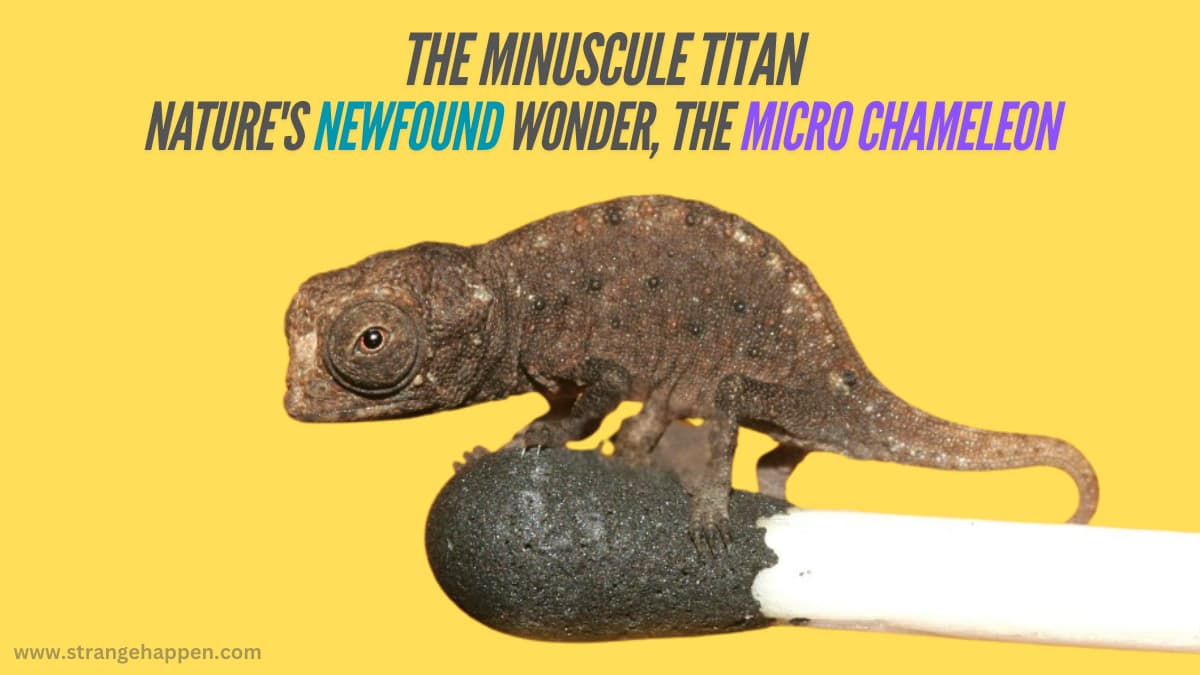
The Minuscule Titan: Nature’s Newfound Wonder, the Micro Chameleon
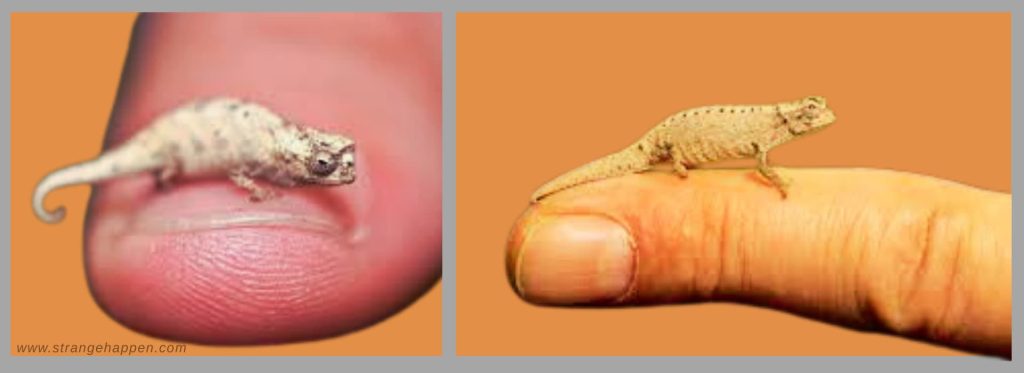
At the point when we consider Micro chameleons, we frequently picture the bigger, variety moving reptiles that mix into their current circumstance. In any case, in the thick timberlands of Madagascar, a much more tricky and entrancing chameleon has arisen — the Micro Chameleon. This little reptile, no greater than your thumb, is perhaps of the littlest vertebrate on earth. Notwithstanding its size, the Micro Chameleon assumes a significant part in the biological system, and its disclosure has energized researchers all over the planet.
What is the Micro Chameleon?
He is, logically known as Brookesia nana, has a place with the sort of bantam chameleons. It’s important for the reptilian family, and as its name proposes, it is extraordinarily little. A grown-up male can be just shy of 2.2 centimeters (0.9 inches) long, including its tail! This mind boggling size places it among the littlest reptiles at any point found.
While there are a few types of bantam chameleons, the Micro Chameleon stands apart in view of its size as well as its extraordinary variations for endurance in a huge and serious world.
Habitat and Distribution
He is local to Madagascar, a biodiversity area of interest known for its one of a kind and frequently endemic natural life. Found essentially in leaf litter on the backwoods floor, this chameleon is impeccably covered to mix into its current circumstance. It dwells in the underbrush of Madagascar’s rainforests, where it is very much stowed away from hunters. This thick layer of fallen leaves gives the ideal sanctuary to such a little animal, safeguarding it from bigger hunters while offering a wealth of little bugs to benefit from.
Micro Chameleon Location
He is (Brookesia nana) is tracked down solely in the tropical rainforests of Madagascar. In particular, it possesses the leaf litter on the woodland floor, where the warm, muggy climate is fundamental for its endurance.
Transformations for Endurance
Despite of its little size, the Micro Chameleon has a few momentous variations that assist it with getting by in nature
Disguise
Like its bigger family members, the Micro Chameleon involves disguise as its essential guard instrument. Its tanish, bark-like skin permits it to mix flawlessly into its current circumstance. This makes it challenging for the two hunters and analysts to recognize. At the point when unmoving, the Micro Chameleon seems to be a little twig or piece of leaf litter.
Bug Diet
Its little height permits it to benefit from infinitesimal bugs like vermin, springtails, and minuscule flies. He has long, tacky tongue assists it with getting prey with accuracy. Its eating routine assumes a basic part in controlling populaces of these little spineless creatures, keeping up with the fragile equilibrium of the biological system.
Thermoregulation
Being so small makes it vulnerable to extreme temperatures, so the Micro Chameleon has adapted by being mostly nocturnal. During the night, it can avoid the daytime heat of Madagascar’s rainforest, and this schedule also helps it evade predators.
Reproduction and Lifespan
He is conceptive propensities are similarly captivating. While little is had some significant awareness of their rearing ways of behaving because of their new disclosure, specialists have seen that female Micro Chameleons lay only each or two eggs in turn. Given the chameleon’s little size, this checks out, as delivering bigger grasps would be unthinkable.
The life expectancy of the Micro Chameleon remains generally obscure, however in view of the life expectancies of other bantam chameleons, it is assessed to live for a few years in nature.
Preservation Status
The disclosure of the Micro Chameleon in 2021 by a group of researchers featured exactly the way that delicate Madagascar’s one of a kind biological system is. Because of its very restricted reach and explicit living space prerequisites, the Micro Chameleon is defenseless against environment obliteration. Deforestation, driven by farming and logging, is quickly lessening the rainforests where this minuscule reptile flourishes.
Luckily, preservation endeavors are in progress to safeguard Madagascar’s woodlands and their occupants. Associations are attempting to bring issues to light about the significance of saving these environments, for species like the Micro Chameleon, yet for the whole snare of life that relies upon it.
Fun Facts About the Micro Chameleon
- Smallest Male: The male Micro Chameleon is thought to be the smallest adult reptile in the world, measuring just about 13.5 mm in body length.
- Tiny Eggs: Despite its small size, this species lays eggs about the size of a poppy seed. Each hatchling is only slightly bigger than a grain of sand!
- Miniature Features: Even though it’s incredibly tiny, the Micro Chameleon has all the anatomical features of larger chameleons, including the ability to change color slightly. However, unlike some of its larger relatives, this color change primarily helps it regulate body temperature rather than for camouflage or communication.
- Hidden in Leaf Litter: The Micro Chameleon is often found in the leaf litter of Madagascar’s forests. Its small size and natural coloring help it blends in perfectly with the forest floor, making it extremely hard to spot!
- Short Tail: The Micro Chameleon’s tail is shorter than its body, which is unusual for most chameleon species that have long, prehensile tails used for gripping. In this tiny species, the tail is still functional but not as prominent.
- Endangered Species: Like many species native to Madagascar, the Micro Chameleon is threatened by habitat loss. Conservation efforts are critical for ensuring this miniature marvel doesn’t disappear from the wild.
Conclusion
The disclosure of the Micro Chameleon uncovers knowledge into the awesome assortment of life that stays hid in the farthest corners of the world. Despite its minuscule size, this chameleon fills in as an image of the meaning of safeguarding even the littlest creatures in our surroundings. Species like the exceptional Echidna and the
Blind Snakes additionally underscore the significance of biodiversity and transformation inside their territories, like the Micro Chameleon in Madagascar. As specialists proceed to study and defend these species, the Micro Chameleon may before long turn into a representative for the safeguarding of Madagascar’s sensitive rainforests, featuring the significance, everything being equal, of all shapes and sizes.