

Echidna
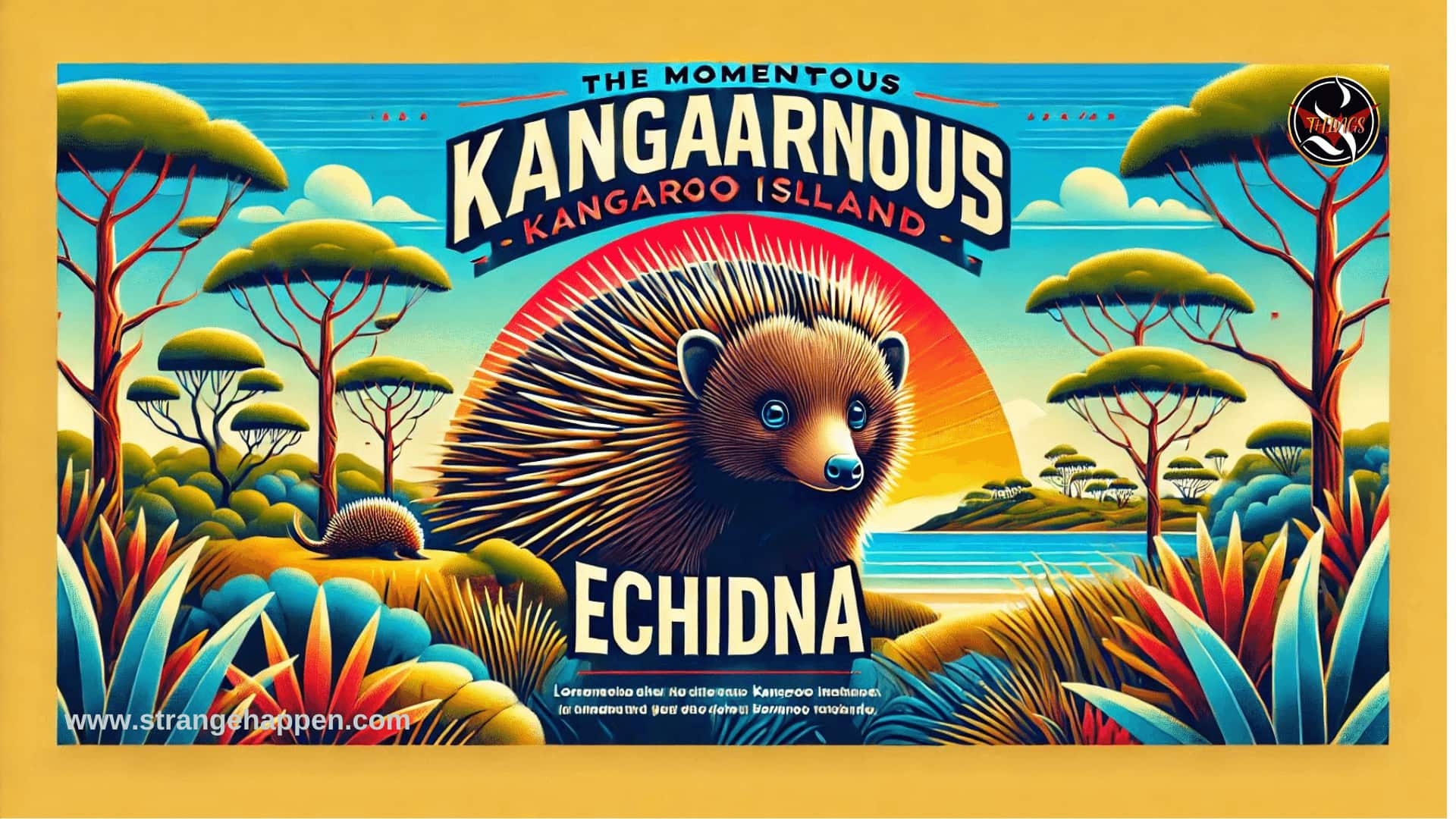
Discover the Remarkable Facts About the Kangaroo Island Echidna
The Kangaroo Island echidna is a subspecies of the short-bent echidna, known for its ancient appearance. These old vertebrates have been on Earth for north of 110 million years, imparting space to dinosaurs. Echidnas are exceptionally versatile and can get by in assorted conditions, from cold mountains to brutal deserts.
Kangaroo Island Echidnas: Key Realities and Characteristics
Find the intriguing Kangaroo Island echidna, known for its exceptional actual attributes, variations, and long life cycle. Find out about its environment, diet, safeguard instruments, and fascinating realities that make it a living fossil!
Echidna Physical Characteristics
Kangaroo Island echidnas develop to 30-45 cm long and weigh between 2 to 7 kg. They have a prickly covering like a porcupine’s, yet they are connected with platypuses. The spines act as their essential protection component, discouraging hunters. Their long noses and concentrated tongues assist them with eating, as they need teeth.
Life Cycle and Reproduction
They are broad warm-blooded creatures, for certain people satisfying 50 years in nature. Their reproducing season happens from pre-spring to spring early. Females lay a solitary, rough egg into a pocket, where it hatches following 10 days. The youthful, called “puggles,” remain in the pocket for about 7 weeks and feed on the mother’s milk, which she secretes through specific mammary organs.
Echidna Biological Adaptations
They have low internal heat levels, around 32°C, one of the least among well-evolved creatures. They are brilliant diggers, utilizing solid front appendages to tunnel. This ability assists them with staying away from risk and directing their internal heat level by concealing in cooler underground conditions.
Habitat and Distribution
He is local to Kangaroo Island in South Australia. Its living space incorporates forests, woodlands, and beachfront districts. It flourishes because of the island’s absence of huge hunters, making it one of a handful of districts where echidnas can reside without danger.
Diet and Feeding Habits
Echidnas feed principally on insects, termites, and other little spineless creatures. They utilize their tacky tongues to get prey, which they grind in their mouths with hard cushions rather than teeth. Their inability to burn calories permits them to get by on small amounts of food, making them profoundly effective foragers.
Defense Mechanisms and Predatory Avoidance
When compromised, echidnas curve into a ball, with their spines introduced to trackers. Accepting that on sensitive ground, they can dig themselves into the soil, leaving simply the spines observable. Trackers, for instance, wild cats and canines, find it hard to pursue them here. Their spines go probably as a real protect, making them practically insusceptible.
Attack Strategies and Human Precautions
They are non-forceful and stay away from struggle whenever the situation allows. They represent no immediate danger to people, however, taking care of them without watchfulness can cause injury due to their sharp spines. It’s vital to regard their space and try not to upset them in nature.
Fun Facts About Kangaroo Island Echidnas
- They are thought of as “living fossils”, as their ancestry traces back to the hours of dinosaurs.
- They have no perspiration organs, which is the reason they stay away from outrageous intensity by tunneling.
- Their cerebrums are profoundly produced for critical thinking and memory, strange for such crude warm-blooded creatures.
These old animals offer a brief look into the ancient world, getting through a great many years through sheer versatility. Their extraordinary science joined with their puzzling appeal, makes the Kangaroo Island echidna entrancing animal varieties worth safeguarding.
Conclusion
He is conceivably one of Earth’s most seasoned and most intriguing creatures. Close by antiquated animals like dinosaurs and lampreys, the echidna’s long history features the perseverance of these astounding species. From its ancient lineage to its unimaginable flexibility, this species represents nature’s versatility. Whether you find their life cycle enchanting or their guard frameworks charming, echidnas, similar to dinosaurs and lampreys, help us to remember the miracles that occupy our reality.