


California Wildfire
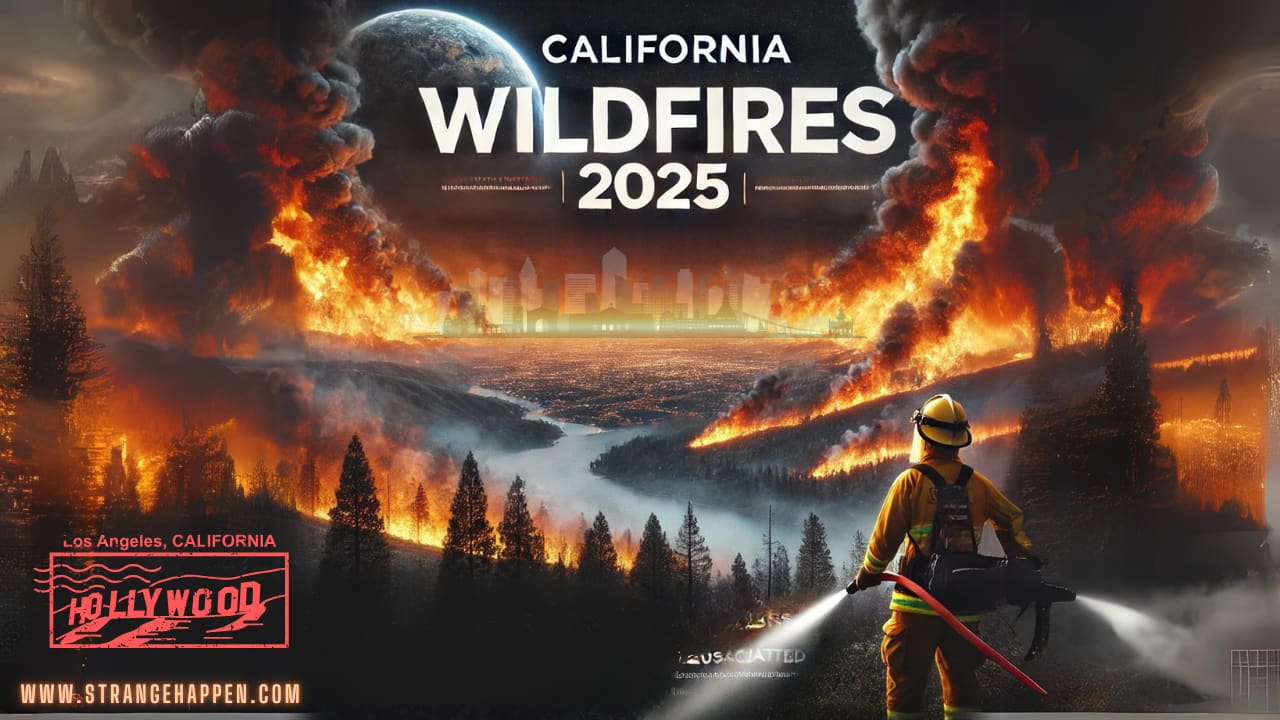
California Wildfire: A Comprehensive Analysis of the Crisis
California wildfire seasons have turned into a sign of the state’s environment challenges, yet late flames have upped the ante to disturbing levels. As we explore through one of the most serious rapidly spreading fire flare-ups as of late, grasping the causes, impacts, reaction techniques, and long haul results is basic. This profound jump gives a top to bottom examination of the ongoing fierce blaze circumstance in California, zeroing in on continuous flames, including the Palisades Fire, and the significant effect it has had on networks, the economy, and the climate.
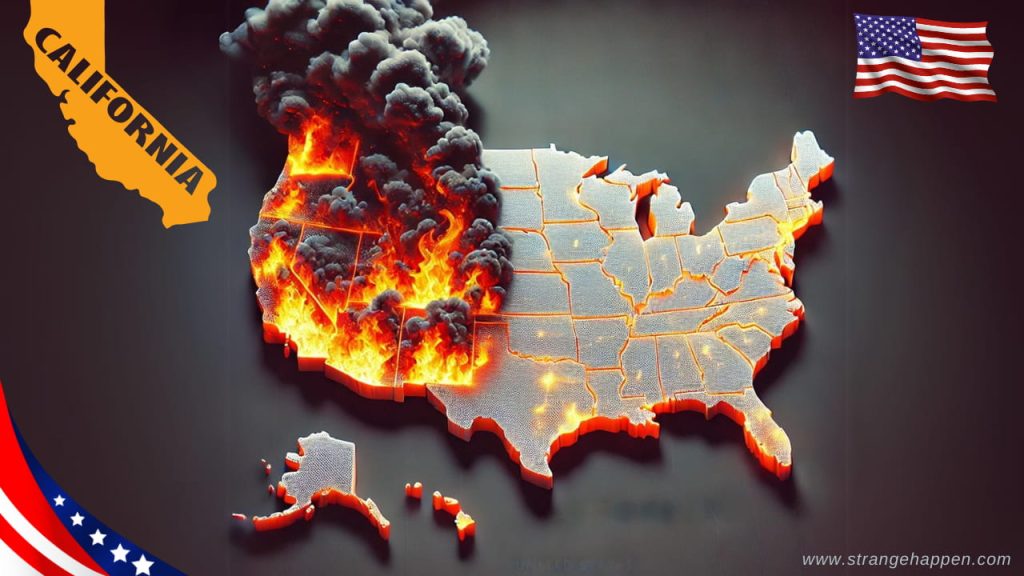
Causes Behind California Wildfire
The staggering California wildfire starts from a blend of normal and human components, with environmental change assuming a key part. Natural changes in Earth’s environment, affected by sun powered action and planetary elements inside our nearby solar system, enhance the seriousness of such flames.
1. Climate Change:
- Climbing worldwide temperatures, exacerbated by environmental change, have caused delayed times of dry spell in California. This has dried out vegetation, making forests and brushlands profoundly combustible.
- Studies show that temperatures in California have expanded by around 1.8°F (1°C) throughout the last 100 years, and the state is supposed to warm further by 2 extra to 4°F (1.1 to 2.2°C) by 2050.

2. Wind Events and Dry Conditions:
- The scandalous Santa Ana winds in Southern California can arrive at velocities of north of 70 mph, spreading flames across tremendous distances. These winds are especially damaging as they make quick flames, permitting flares to bounce parkways and cross firebreaks.
- Wind designs frequently shift capriciously, putting forth fire regulation attempts troublesome. As these winds meet incredibly dry circumstances, they make a powerful coincidence for fierce blazes to develop and spread wildly.
3. Human Activity:
- Despite the fact that rapidly spreading fires have normal causes (like lightning), human action has altogether added to the recurrence and size of these calamities. Incendiarism, power line breakdowns, vehicle mishaps, and careless setting up camp practices are significant causes.
- Great many occupants in fire-inclined zones face the additional gamble of fierce blazes as endless suburbia carries homes and foundation closer to wild land regions.
Impact: Burned Areas and Homes Destroyed in California Wildfire
As of January 2025, California is confronting an emergency of incomprehensible extents. While accurate numbers differ by source, the general size of obliteration has arrived at amazing levels.
1. Total Acres Burned:
- The Palisades Fire, for instance, has previously consumed roughly 23,645 sections of land. In any case, across the state, in excess of 700,000 sections of land of land have been lost to flames throughout the last year, with an observable expansion in fire grounds from earlier years.
2. Destroyed Homes and Structures:
- North of more than 3,000 homes have been totally obliterated in late fierce blazes, especially in the Los Angeles, Ventura, and San Bernardino districts.
- Thousands additional homes stay undermined by dynamic flames, and departure zones are being extended consistently as the flames spread.
3. Economic Impact:
- California wildfire rapidly spreading fire emergency has made a financial debacle, with assessed guaranteed misfortunes surpassing $20 billion and generally speaking harms possibly outperforming more than $50 billion.
- The expense incorporates not just the deficiency of private and business structures yet in addition harms to rural areas, public foundation, and natural life environments. Huge number of occupations in areas like the travel industry and farming have been seriously affected.
The Firefighting Efforts: Strategies and Challenges in California Wildfire
The reaction to California wildfire rapidly spreading fires is an enormous exertion including state, government, and neighborhood organizations, as well as confidential area inclusion. Be that as it may, the heightening force of these flames has made regulation a daunting task.
1. Firefighting Personnel:
- Starting around 2025, north of 25,000 firemen have been prepared, including experts from different states and nations. This incorporates ground powers as well as aeronautical help.
2. Mechanical Support:
- Different mechanical instruments have been utilized to assist with containing the rapidly spreading fires, including:
- Helicopters and planes dropping fire retardants and water on areas of interest.
- Tractors making ways to make firebreaks and control the fire’s spread.
- Drones for reconnaissance and planning the fire’s developments to help strategic choices.
3. Logistical Hurdles:
- Weather patterns, especially high winds, keep on obstructing firefighting endeavors. Firemen face the test of quickly moving breezes that push blazes in eccentric bearings.
- Furthermore, absence of water in certain areas makes it hard to contain fires, particularly when flames undermine urban communities or framework.
4. Technology and Innovation:
- California is additionally going to state of the art innovation in its firefighting procedure, including man-made brainpower (computer based intelligence) to foresee fire ways and robot worked infrared imaging to detect areas of interest from the air.
Casualties and Injuries: The Human Cost Due to California Wildfire
The profound cost of the flames has been obliterating for people, families, and networks. Alongside property harm, the actual effect has been critical.
1. Current Death Toll:
- As of the most recent reports, no less than 16 individuals have lost their lives, including regular people and firemen. The number is supposed to ascend as additional bodies are recuperated from obliterated regions.
2. Injuries:
- In excess of 200 individuals have been harmed, going from consumes to respiratory issues from smoke inward breath. Medical clinics are overpowered by the quantity of patients, including some who can’t clear in time.
3. Evacuations:
- North of 153,000 individuals have been emptied up until this point, with bound to follow as the flames draw nearer to populated regions. Crisis covers are set up, however they are attempting to oblige the inundation of dislodged occupants.
Air Quality and Health Issues Due to California Wildfire
One of the most unsettling parts of rapidly spreading fires is their effect on air quality, which arrives at unsafe levels, influencing millions across California.
1. Pollution Levels:
- Smoke from the flames makes risky cools, with PM2.5 (particulate matter) arriving at perilous levels. These little particles can lead to serious respiratory issues, especially in kids, the old, and those with previous circumstances.
2. Health Concerns:
- Occupants are encouraged to remain inside and breaking point outside movement. Air filtration frameworks are popular as families attempt to safeguard themselves from smoke inward breath.
- General wellbeing crises are being pronounced in regions with the most terrible air quality, and state organizations are circulating facial coverings to weak populaces.
Areas Affected and Vulnerable Regions in California Wildfire
While the Palisades Fire keeps on ruling titles, different locales in California are additionally wrestling with fierce blazes.
1. Los Angeles and Ventura Counties:
- The thickly populated metropolitan regions close to backwoods and dry vegetation are profoundly powerless. High-profile areas, like Malibu and Calabasas, have previously been affected, with VIPs among the evacuees.
2. Other Vulnerable Areas:
- The Sierra Nevada district, Focal Valley, and northern waterfront regions are all in danger of being impacted as the fire season broadens. These regions are confronting increased gambles because of dry season conditions and high breezes.
- Inland regions, ordinarily less inclined to fierce blazes, could likewise see expanded risk as these flames drive further inland.
The Future Outlook and Preventive Measures
The fate of California wildfire seasons seems critical. With expanding temperatures and more successive outrageous climate occasions anticipated because of environmental change, that’s what it’s guessed:
- Fire seasons could extend from a couple of months to almost all year in the next few decades.
- The quantity of homes and organizations lost to out of control fires will probably rise, especially in locales close to forests or fields.
- More assets should be given to fire counteraction, including better land the executives, controlled consumes, and further developing construction standards for heat proof homes.
Conclusion: The Need for Action in California Wildfire
California wildfire are not only a catastrophic event; they are a complex, multi-layered emergency driven by environmental change, human movement, and framework weaknesses. While firefighting endeavors are chivalrous, the state needs to heighten its attention on long haul arrangements — putting resources into innovation, anticipation, and environmental change relief.
As the flow fire season unfurls, occupants and specialists should prepare for additional harm. Be that as it may, this has yet to be addressed: How might California adjust to an inexorably unpredictable environment, and could the state at any point keep future calamities from turning into the new standard? The response lies in proactive measures, local area strength, and an aggregate obligation to switching the impacts of environmental change.
One thought on “California Wildfire”
Leave a Reply
You must be logged in to post a comment.

Political innovation! Trump Coin creates moments of unity through its community.