


Box Jellyfish

Beware the Box Jellyfish: Nature’s Silent Killer
Box Jellyfish, The sea, frequently called the support of life, harbors animals both entrancing and dangerous. Among them, the box jellyfish stands apart as quite possibly of the most venomous creature on the planet. While its sensitive appearance could appear to be innocuous, this clear hunter can convey a sting that is both unbearable and deadly.
Box Jellyfish Detailed Introduction and Description
The box jellyfish is certainly not a solitary animal groups yet a gathering of jellyfish having a place with the class Cubozoa. Known for their block like design and powerful toxin, they are basically tracked down in warm waterfront waters. Dissimilar to their latent family members, these jellyfish effectively swim, chase, and adjust to their environmental factors.
Normal Names: Marine stinger, ocean wasp, fire jam
Logical Name: Most famous species incorporate Chironex fleckeri and Carukia barnesi.
Class: Cubozoa

Box Jellyfish Anatomy
Their life structures is extraordinarily intended for endurance and predation:
Chime (Medusa)
- Shape: Cubic with adjusted corners for quick development.
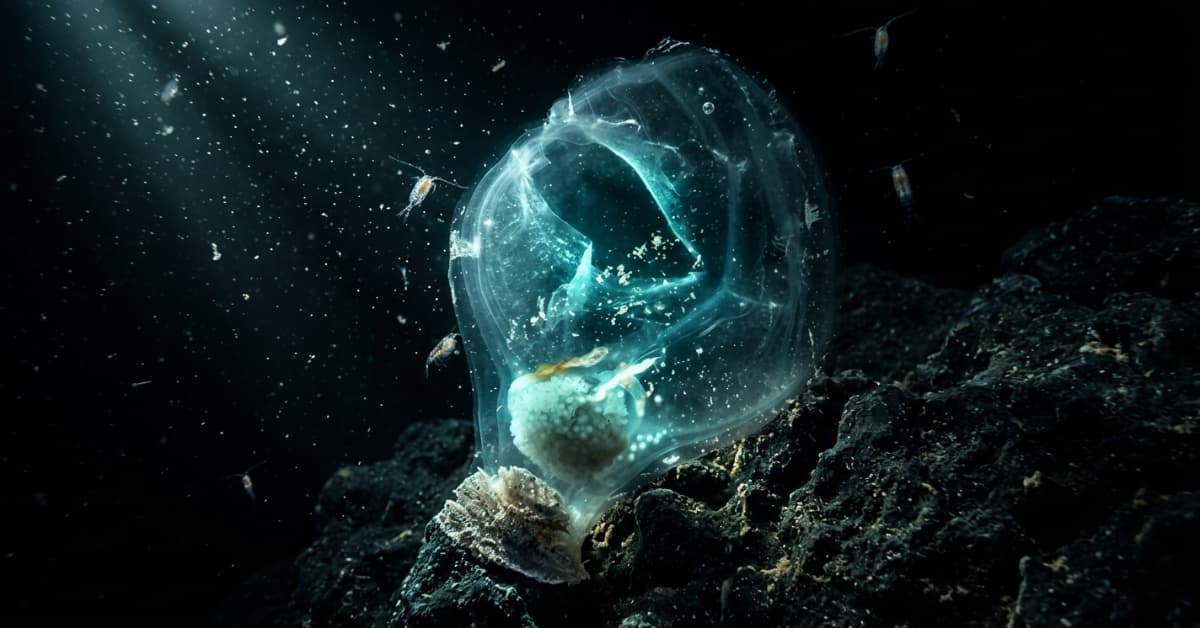
- Straightforwardness: Their chime is practically undetectable in water, giving them a covertness advantage.
- Size: Reaches from a couple of centimeters to around 30 cm (12 inches) in measurement, contingent upon the species.
Appendages
- Number: Up to 60 appendages, with each side of the ringer lodging 15 arms.
- Length: Can stretch out up to 3 meters (10 feet).
- Nematocysts: Every arm is fixed with a great many stinging cells fit for infusing toxin.
Eyes
Box jellyfish have 24 eyes, gathered into four groups known as rhopalia. Their eyes are sorted into:
- Straightforward Eyes: Recognize light and dim.
- High level Eyes: Fit for shaping pictures and recognizing obstructions.
Their high level vision permits them to explore and chase proficiently, in contrast to most jellyfish.
Ability to swim
Dissimilar to ordinary jellyfish that float with sea flows, box jellyfish can swim at paces of up to 4 bunches (7.4 km/h).
The Life Cycle of the Box Jellyfish
Polyp Stage
- Starts as a sessile (fixed) polyp, joined to submerged surfaces like coral reefs.
- Polyps imitate abiogenetically, sprouting off into free-swimming medusae.
Medusa Stage
- This is the grown-up jellyfish stage, described by dynamic swimming and hunting.
Multiplication
- Multiplication happens physically, with guys delivering sperm to treat eggs inside the female.
- The lifecycle finishes when prepared eggs form into new polyps.
Life expectancy
- Most box jellyfish species live for a couple of months.
Venom: The Silent Assassin
Box jellyfish toxin contains complex poisons focusing on numerous body frameworks at the same time. These include:
- Cardiotoxins: Disturb heart capability, prompting heart failure.
- Neurotoxins: Incapacitate the sensory system, possibly causing respiratory disappointment.
- Dermatoxins: Annihilate skin cells, bringing about corruption and serious scarring.
Mechanism of Attack
- Identification: Box jellyfish utilize their high level eyes to identify prey.
- Catch: Appendages capture prey and delivery toxin through nematocysts.
- Loss of motion: Toxin incapacitates the prey, making it more straightforward to consume.
For people, the toxin causes overpowering agony and foundational breakdown if untreated.
Symptoms of a Box Jellyfish Sting
Prompt impacts include:
- Serious consuming torment
- Red, whip-like welts on the skin
- Quick enlarging and rankling
- Sickness, spewing, and wooziness
Extreme cases might result in:
- Trouble breathing or respiratory disappointment
- Heart failure in practically no time
- Loss of motion or obviousness
Fatalities and Notable Cases
Box jellyfish stings are liable for many passings yearly, especially in Australia and Southeast Asia. Quite possibly of the most eminent specie, Chironex fleckeri, has killed people in less than two minutes. Numerous casualties know nothing about the jellyfish’s presence until it’s past the point of no return because of its straightforwardness.
Behavioral Traits and Hunting
Box jellyfish are exceptional among jellyfish for their dynamic and key hunting ways of behaving.
- Diet: Little fish, scavangers, and microscopic fish.
- Hunting Technique: They swim towards prey, stretching out their limbs to augment their catch span.
Dissimilar to inactive jellyfish that depend on floating, box jellyfish intentionally steer through water flows utilizing plane impetus.
Defense Mechanisms
Box jellyfish have no forceful propensities toward people except for convey toxin as a guard component against saw dangers.
- Disguise: Straightforwardness assists them with staying away from hunters.
- Speed: Fast swimming permits them to avoid risk.
- Toxin Delivery: Intended to cripple or prevent hunters like turtles and certain fish species.
Preventing Stings and Safety Measures
Defensive Stuff
- Wear stinger suits or wetsuits while swimming in tropical waters.
- Use jellyfish nets in assigned swimming regions.
Mindfulness
- Try not to swim during jellyfish seasons, normally from October to May in Australia.
- Notice cautioning signs posted on sea shores.
Crisis Reaction
- Wash the sting with vinegar to kill undischarged nematocysts.
- Try not to rub the impacted region.
- Look for clinical consideration promptly for antibody treatment.
Ecological Role of Box Jellyfish
Box jellyfish assume a basic part in marine environments.
- Hunter Control: They manage populaces of more modest fish and tiny fish.
- Prey: Act as a food hotspot for ocean turtles and certain fish species.
The Threats They Face
Notwithstanding their fearsome standing, box jellyfish are undermined by:
- Contamination: Sullied waters can harm their living spaces.
- Overfishing: Lessens prey accessibility.
- Environmental Change: Influences their rearing and movement designs.
Fascinating Facts About Box Jellyfish
- Quick Executioners: Their toxin can cause passing in under 5 minutes in extreme cases.
- High level Eyes: A few animal groups can find in variety.
- Method for surviving: They flourish in bitter waters, permitting them to attack estuaries.
Conclusion
The box jellyfish is a creature of secrets — awesome, yet horrendous. While their poison grandstands nature’s crude power, understanding their way of behaving and science can assist with limiting dangers. Regard for these animals and their current circumstance guarantees more secure collaborations for the two people and the sea environment.
This subject of strange marine life reaches out to other interesting animals, similar to the glow Jellyfish, which illuminates the profound with its bioluminescent excellence, the barreleye Fish, with its straightforward head and up confronting eyes adjusted for endurance, and the glass Octopus, whose almost undetectable body makes it a wonder of regular disguise.
These perplexing creatures help us to remember the sea’s intricacy and the sensitive equilibrium inside its environments. Concentrating on their exceptional variations extends our comprehension as well as flashes wonder about the thing else may be prowling in the profundities.
What is your take on these bewildering marine trackers and other puzzling sea inhabitants? Have you experienced any of them? Share your considerations and encounters in the remarks underneath!