
The Labubu Doll Frenzy: A Strange Happenings Obsession Taking Over the World
The Rise of an Unlikely Icon
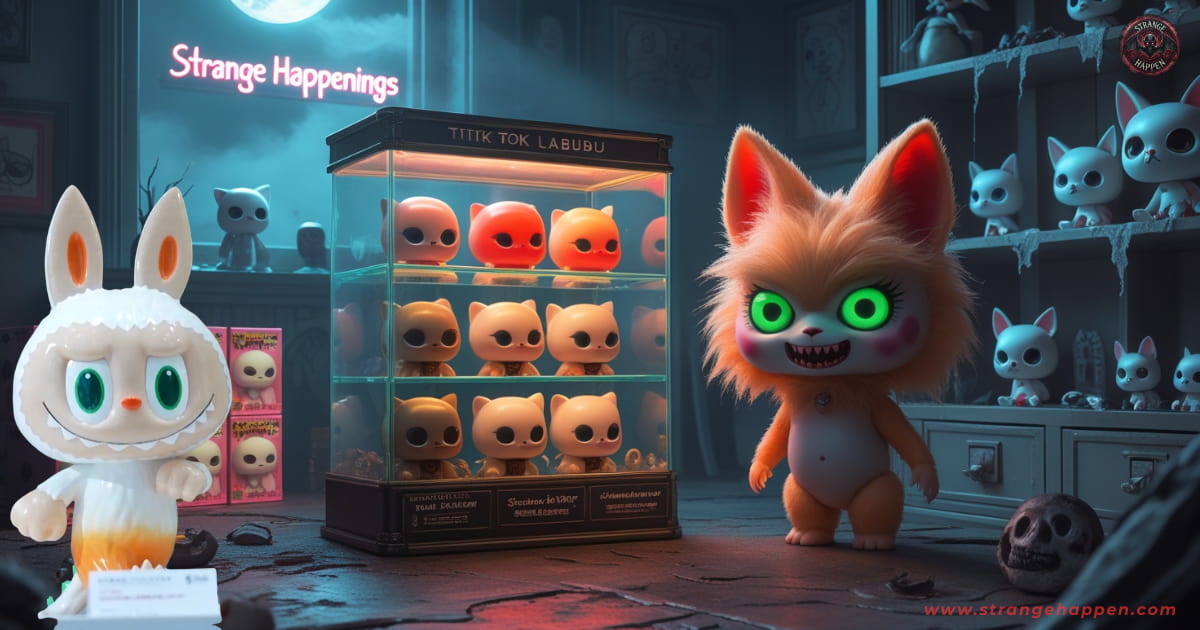
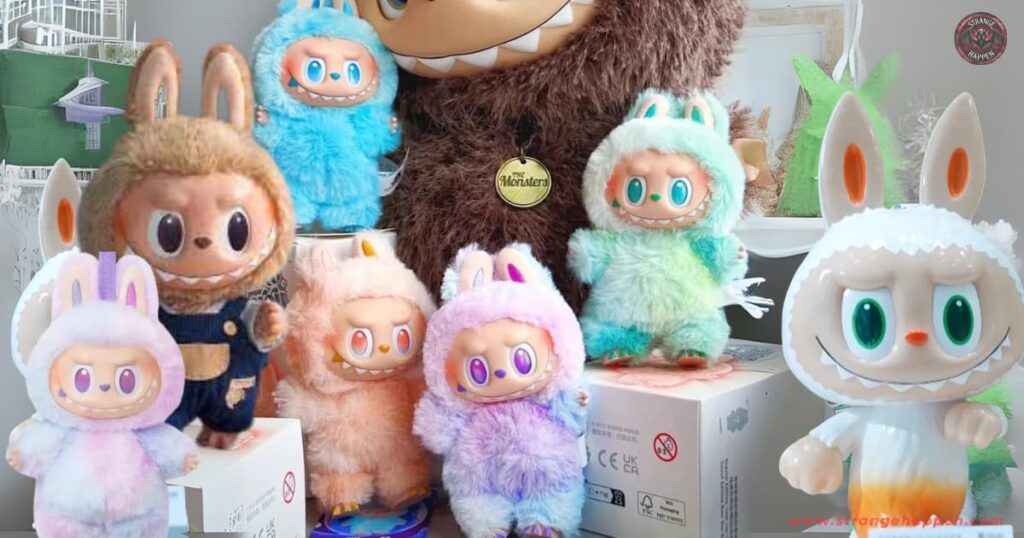
What do you get when cute collides with creepy, and mystery blends with modern fandom? You get the Labubu doll—a bizarre collectible turning into a full-blown cultural wave. At first glance, Labubu looks like something out of a child’s nightmare: jagged teeth, bug-like eyes, and a furry elfin body. But it’s this strange duality that has fueled its rise into the global spotlight.
In this edition of Strange Happenings, we dive deep into the Labubu doll phenomenon. Why is this odd toy trending across continents? Why are adults hoarding it like gold? What makes it so strangely irresistible?
Table of Contents
The Origins and Background of Labubu
Who Created Labubu and Why?
Labubu was created by Hong Kong-based artist Kasing Lung in collaboration with Chinese designer toy giant Pop Mart. The character first appeared in 2015 as part of a line called The Monsters. Inspired by Western cartoons and folklore, Labubu was designed as a mischievous, childlike creature with an eerie grin and haunting eyes. Lung wanted to explore emotions like loneliness, excitement, and rebellion through these characters.
Early Popularity and Cult Following
Initially, Labubu had a niche audience of art toy collectors in China and Hong Kong. Its odd design—too scary for kids and too cute for horror lovers—carved a unique space in the collectible world. Exhibitions and limited releases built early hype, setting the foundation for what would become a global craze.
Viral Boom—Why Labubu Doll Became a Trend
The Social Media Explosion
Labubu has taken over TikTok, Instagram, and even YouTube Shorts. #Labubu has quickly become a viral tag, drawing in millions of views across social media. People share everything from unboxing videos to styling tutorials with miniature props. Some even create funny or emotional skits starring their Labubu dolls. What started as a simple toy has grown into a huge trend among collectors and creators.
Celebrity Influence
Global stars have embraced the Labubu craze:
- BLACKPINK’s Lisa made headlines after showing it off on her bag.
- Rihanna, Dua Lipa, and even Kim Kardashian have Labubu-themed accessories.
- Bollywood celebrities like Ananya Panday and Urvashi Rautela brought Labubu to Indian mainstream media.
The Viral Indian Twist
On Indian social media, Labubu was humorously nicknamed “Labubu Bhabhi” and styled in traditional sarees. This strange transformation added a regional twist, multiplying its viral reach. This is where strange happenings meet meme culture.
Fascinating Facts About Labubu
- Some rare Labubu dolls glow in the dark, while others change color in sunlight.
- Every doll comes in a blind box, adding a gambling-like thrill.
- Pop Mart occasionally releases seasonal editions—Halloween, Christmas, and Lunar New Year Labubus are highly sought after.
- In some communities, Labubu is considered a good luck charm.
- Some rare versions are rumored to have been released only at underground exhibitions.
Strange Stories: Myth or Reality?
The Myth of Labubu’s Spirit
Some conspiracy theories have floated around that Labubu dolls carry a “spirit” or a form of energy. This myth gained traction after several influencers claimed to have nightmares or odd experiences after receiving the doll. Pakistani actress Mishi Khan even warned the public about the doll having “dark energy.” While there’s no factual basis, these tales only made the doll more infamous.
Haunted or Hype?
From TikTok stories about dolls “moving” at night to Reddit threads claiming psychological effects, these stories blur the line between myth and marketing. Is Labubu truly haunted? Most likely not. But these strange happenings have undeniably fueled its mystique.
Economics of Labubu Doll
Rare Editions and Resale Value
Labubu’s limited-edition versions—especially the secret ones—are resold for up to $7,000. Here are some reasons collectors go wild:
- 1 in 72 chance of scoring a secret version
- Glow-in-the-dark, holiday-themed, or metallic editions
- Pop Mart collaborations with fashion and streetwear brands
Real Incidents of Frenzy
- In the UK, fights broke out at toy shops due to limited stock.
- In Australia, entire mini furniture sets are crafted for Labubu dolls.
- In Pakistan, TV actress Mishi Khan called the doll “creepy” and even warned people about its “negative energy.”
These strange happenings only fuel more curiosity.
The Psychology Behind the Obsession
Strange Appeal to Adults
While it’s technically a toy, Labubu appeals largely to young adults and collectors. Experts say it serves as a “transitional object”—helping individuals manage stress or feel in control.
Cute-Creepy Balance
Labubu’s design walks a fine line between creepy and cute—blending the grotesque with the adorable in a way fans love. This duality creates emotional complexity, making it strangely captivating. In other words, it’s weird—and we love weird.
Strange Happenings in Pop Culture
Fashion Crossovers
Labubu outfits are now sold separately. Online shops even offer:
- Crochet dresses
- Gothic capes
- Cosplay suits from anime
Mini fashion for a doll? It’s a strange happening redefining fashion boundaries.
DIY Craze
People are building:
- Labubu dollhouses
- Custom chairs
- Themed dioramas
Entire online communities have risen around decorating Labubu’s world.
Strange Happenings now ranks high in search results related to Labubu, pulling in over 50,000 monthly searches in the past quarter alone.
High-Demand Regions
Criticism and Cultural Divide
Not Everyone’s a Fan
Despite its popularity, some people find Labubu disturbing. Critics argue it reflects an unhealthy obsession with materialism.
Mishi Khan’s statement on Pakistani media described the toy as “ugly” and “spiritually disturbing.” Are these concerns valid? Or is it just another case of misunderstanding new-age art?
Final Thoughts—What Labubu Doll Says About Us
Labubu Is Just a Toy—Nothing More
Despite the myths and wild stories surrounding it, at its core, Labubu is simply a collectible toy. There’s no proven connection to spirits, supernatural energy, or haunted behavior. The doll’s influence lies in clever marketing, its blind-box excitement, and community engagement—not in anything mystical.
It’s important to separate fiction from fact. While tales of Labubu moving on its own or causing nightmares may entertain, there’s no scientific or psychological evidence supporting any of those claims. Like any other trend-driven product, Labubu thrives on perception, exclusivity, and social sharing.
Labubu isn’t just a toy—it’s a mirror of our generation’s strange happenings. It reveals our fascination with surprise, emotional objects, and viral validation.
Is it art, therapy, or trend-chasing? That’s for you to decide. But one thing’s certain: Labubu is no ordinary doll. It’s a cultural phenomenon stitched with mystery and driven by obsession.
So, would you collect one? Or does the Labubu craze feel like a strange happening you’d rather watch from afar?
If you’re fascinated by eerie collectibles, you might also enjoy exploring our deep dive into Mike the Headless Chicken—another bizarre tale that blurs the line between science, myth, and viral obsession.
For more viral discoveries, collectible madness, and global quirks, explore more at Strange Happenings