



10 Newly Discovered Species
10 Newly Discovered Species: Fascinating Insights into Nature’s Secrets
10 Newly Discovered Species: The revelation of new species constantly helps us to remember the immense, undiscovered secrets of the normal world. Each new find enhances how we might interpret biodiversity as well as features the multifaceted interconnections inside biological systems. Here is an inside and out investigation of ten surprising species found as of late, displaying their remarkable qualities, natural importance, and the intriguing accounts of their disclosure.
Join us to explore 10 newly discovered species, uncovering Earth’s astonishing variety and the need to safeguard its fragile biological systems.”
10 Newly Discovered Species: Reticulated Siren (Siren reticulata)
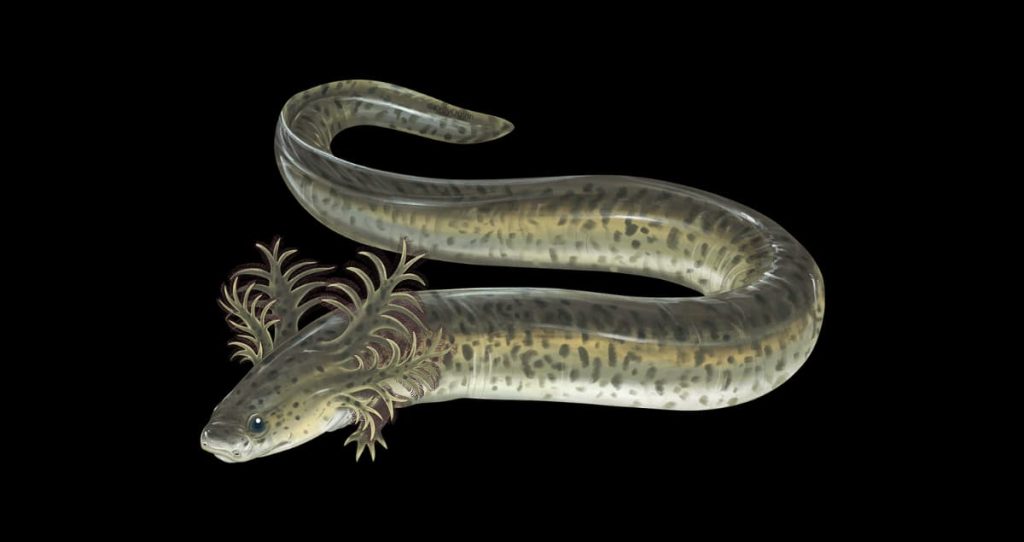
1. Reticulated Siren (Siren reticulata)
The Reticulated Siren (Siren reticulata) is a huge oceanic lizard with an eel-like body, outer gills, and a striking reticulated skin design, tracked down in freshwater environments of the southeastern US.
- Found: 2018
- Area: Marshes of Alabama and Florida, USA
- Description: This enormous, eel-like land and water proficient can arrive at up to two feet long and has particular panther like spots covering its foul body. Its outside gills and extended structure make it an expert of dinky wetland territories.
- Conduct: The reticulated alarm is a nighttime animal, concealing in sea-going vegetation during the day and arising around evening time to take care of. Its eating regimen comprises of little shellfish, bugs, and minuscule fish. Regardless of its size, it is slippery and seldom seen.
- Captivating Reality: Its revelation denoted the principal new types of goliath lizard in the US in north of 100 years, featuring how even huge creatures can avoid logical documentation in natural conditions.
10 Newly Discovered Species: Bright Orange Bat (Myotis nimbaensis)
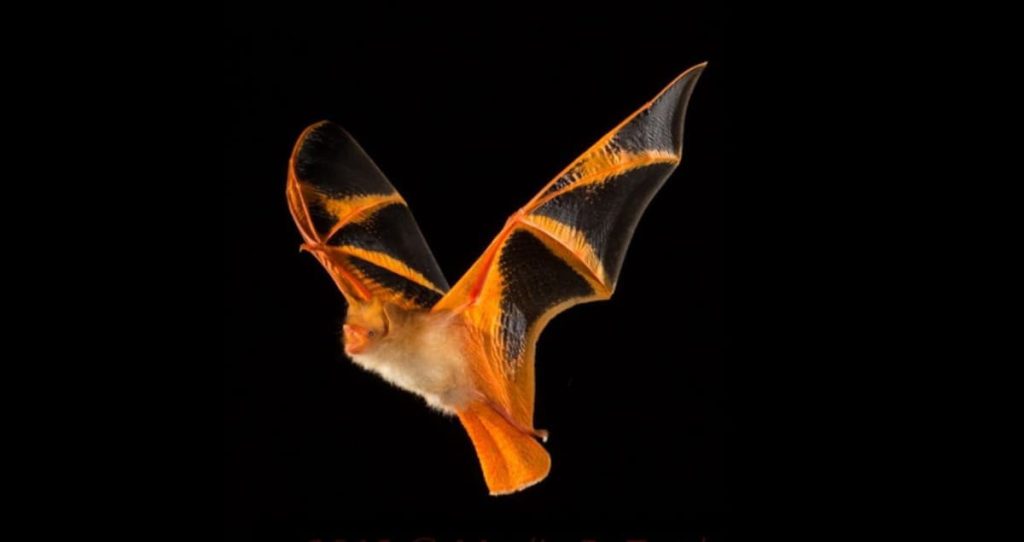
2. Bright Orange Bat (Myotis nimbaensis)
The Bright Orange Bat (Myotis nimbaensis) is an uncommon bat animal types with energetic orange fur and dark wings, found in the Nimba Mountains of West Africa, possessing caves and montane forests.
- Found: 2021
- Area: Nimba Mountains, Guinea
- Description: With its clear orange fur differentiating pointedly against its dim wings, the dazzling orange bat is a visual wonder. Its tinge separates it from different individuals from the Myotis variety.
- Conduct: This insectivorous bat assumes a fundamental natural part by consuming huge amounts of bugs, including farming vermin. Moreover, its fertilization exercises add to the strength of nearby biological systems.
- Entrancing Truth: Researchers accept its special orange tone might assist it with covering among the splendid blossoms of its hilly natural surroundings, safeguarding it from hunters.
10 Newly Discovered Species: Popa Langur (Trachypithecus popa)
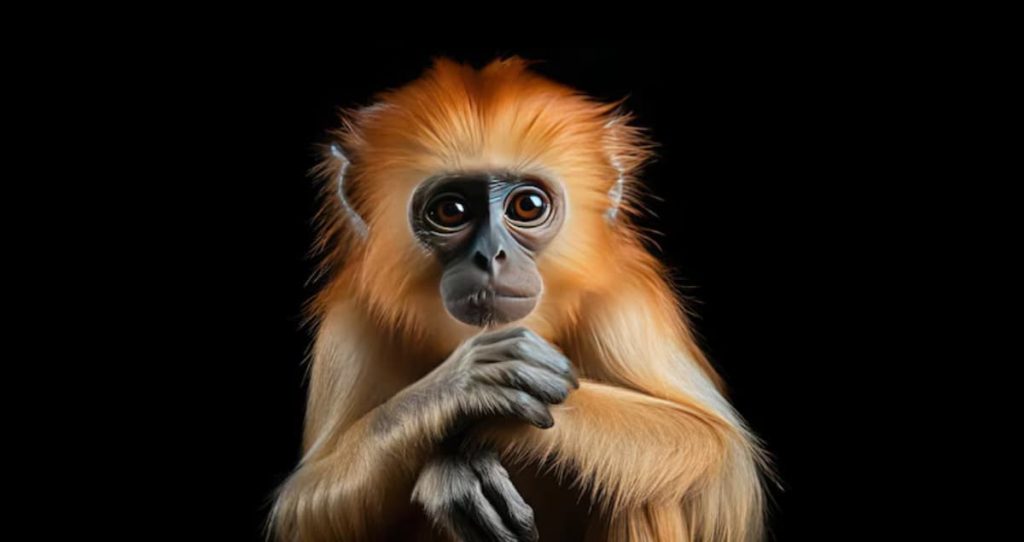
3. Popa Langur (Trachypithecus popa)
The Popa Langur (Trachypithecus popa) is a fundamentally imperiled monkey local to Myanmar’s Popa Mountain. With unmistakable dull fur, white cheeks, and a dark face, it lives in little gatherings in forested regions. Territory misfortune represents a significant danger to its endurance.
- Found: 2020
- Area: Woodlands close to Mount Popa, Myanmar
- Description: The Popa langur is a primate with a long tail, expressive white rings around its eyes, and delicate grayish fur. Its charming appearance gives a false representation of its delicate presence.
- Conduct: This social species lives in little gatherings, taking care of principally on leaves, organic products, and seeds. It depends intensely on flawless backwoods biological systems to get by.
- Captivating Reality: With less than 300 people staying in the wild, the Popa langur is as of now basically imperiled, highlighting the pressing requirement for protection endeavors in its local territory.
10 Newly Discovered Species: Deep-Sea Dumbo Octopus (Grimpoteuthis imperator)
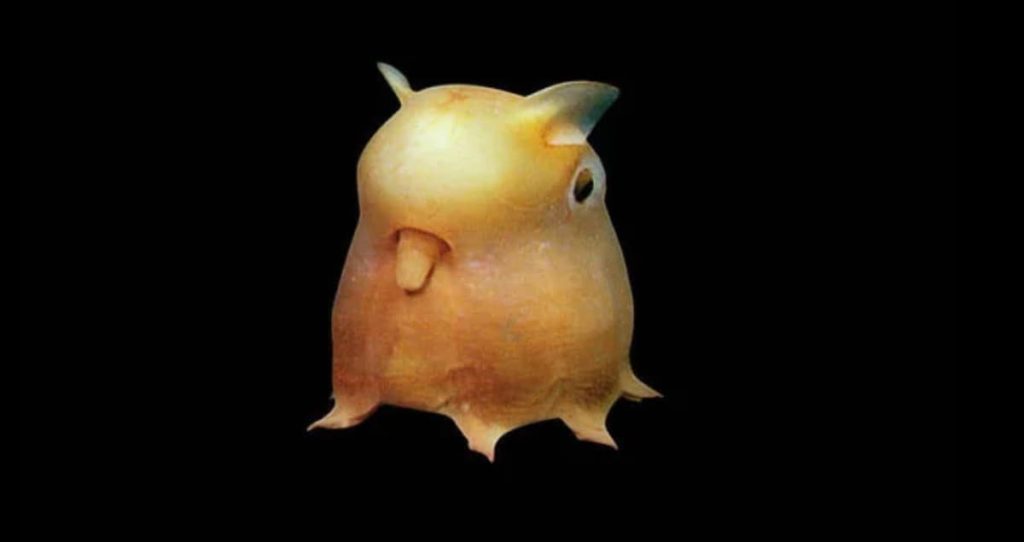
4. Deep-Sea Dumbo Octopus (Grimpoteuthis imperator)
The Remote ocean Dumbo Octopus (Grimpoteuthis imperator) is an uncommon, profound water octopus known for its unmistakable ear-like blades looking like Disney’s Dumbo. It occupies the sea’s deep profundities, utilizing its delicate, coagulated body to coast smoothly through the water.
- Found: 2016
- Area: Pacific Sea, at profundities surpassing 7,000 meters.
- Depiction: This clear octopus is eminent for its ear-like balances that give it a capricious similarity to the Disney character Dumbo. Its fragile, spooky appearance makes it a champion among remote ocean animals.
- Conduct: The Dumbo octopus utilizes its blades and webbed arms to float nimbly through the water. It benefits from little shellfish and worms tracked down in the residue.
- Captivating Truth: As one of the most profound dwelling octopus species known, it embodies the outrageous flexibility of life in remote ocean conditions.
10 Newly Discovered Species: Suzhen’s Krait (Bungarus suzhenae)
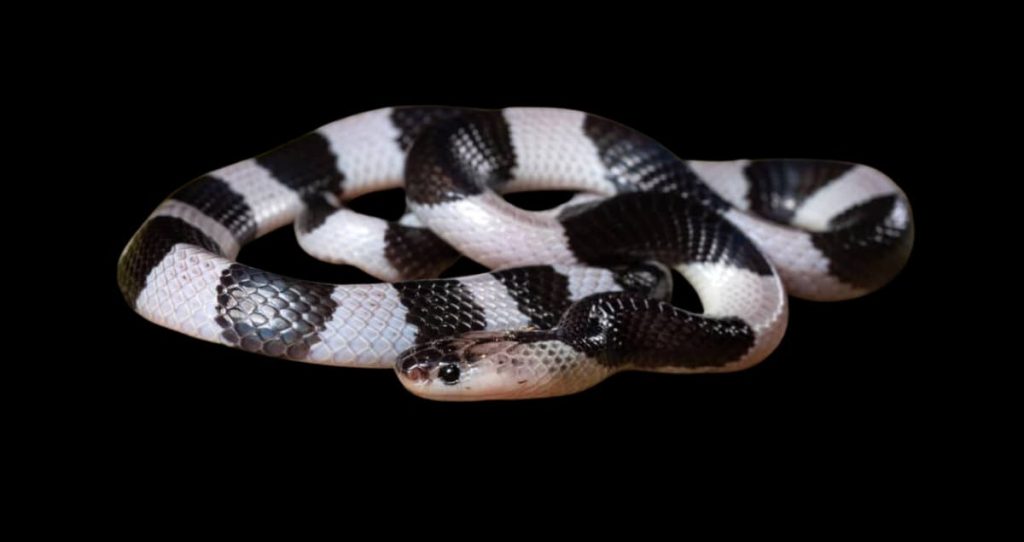
5. Suzhen’s Krait (Bungarus suzhenae)
Suzhen’s Krait (Bungarus suzhenae) is a profoundly venomous snake local to Southeast Asia, perceived for its striking dark and yellow united design. It occupies backwoods and is known for its guarded way of behaving when undermined. This species is interesting and principally night time.
- Found: 2020.
- Area: Bamboo woodlands of China.
- Description: This striking snake includes a high contrast joined design that makes it effectively conspicuous. In any case, its strong toxin fills in as an advance notice to possible hunters.
- Conduct: Suzhen’s krait is a nighttime tracker, going after rodents and other little creatures. It is profoundly slippery, frequently tucking away among thick vegetation.
- Captivating Truth: The snake is named after Bai Suzhen, an unbelievable snake goddess in Chinese fables, mirroring its persona and social importance.
10 Newly Discovered Species: Ruby Seadragon (Phyllopteryx dewysea)
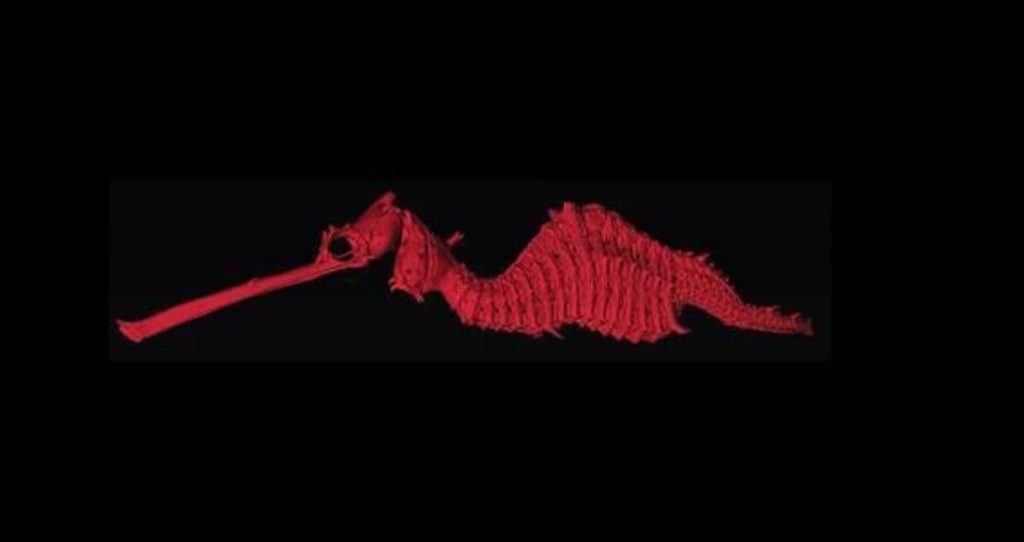
6. Ruby Seadragon (Phyllopteryx dewysea)
The Ruby Seadragon (Phyllopteryx dewysea) is a strikingly beautiful marine fish, firmly connected with the seahorse, with dynamic ruby-red shades and leaf-like extremities. Local toward the southern bank of Australia, it possesses rough reefs and kelp woodlands, utilizing its exceptional body construction to mix in with its environmental elements.
- Found: 2015
- Area: Off the shoreline of Western Australia
- Description: This dark red seadragon’s thin, leaf-like structure permits it to mix consistently with coral reefs. Not at all like its family members, it comes up short on intricate limbs ordinary of seadragons.
- Conduct: It utilizes its rounded nose to benefit from minuscule shellfish, sucking them up with momentous accuracy.
- Captivating Truth: Its splendid red variety probably fills in as disguise in the faintly lit submerged climate where it resides.
10 Newly Discovered Species: Glass Frog (Hyalinobatrachium yaku)
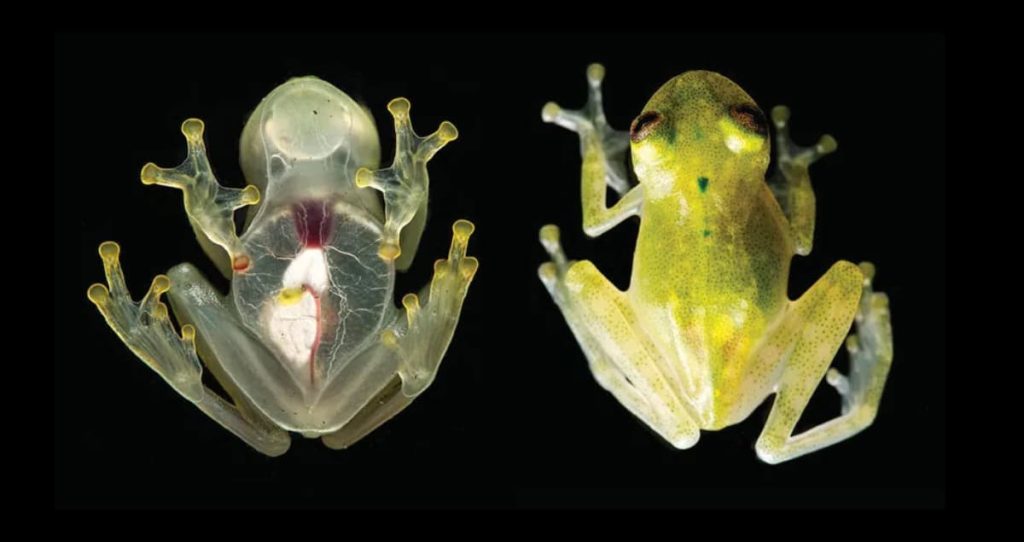
7. Glass Frog (Hyalinobatrachium yaku)
The Glass Frog (Hyalinobatrachium yaku) is a little, clear land and water proficient local to the rainforests of Ecuador. Its straightforward underside uncovers inward organs, giving it its name. This species is ordinarily tracked down in moist, swamp regions close to streams, where it conceals in foliage during the day and is dynamic around evening time.
- Found: 2017
- Area: Ecuadorian rainforests
- Description: This little frog’s clear skin uncovers its interior organs, including its thumping heart, making it an entrancing example for scientists and nature devotees the same.
- Conduct: Glass frogs are arboreal, frequently found roosted on leaves overhanging streams. They lay their eggs on these leaves, and the fledglings drop into the water underneath after bring forth.
- Captivating Truth: The frog’s straightforwardness gives disguise as well as assists it with managing internal heat level in its moist climate.
10 Newly Discovered Species: Ninja Lanternshark (Etmopterus benchleyi)
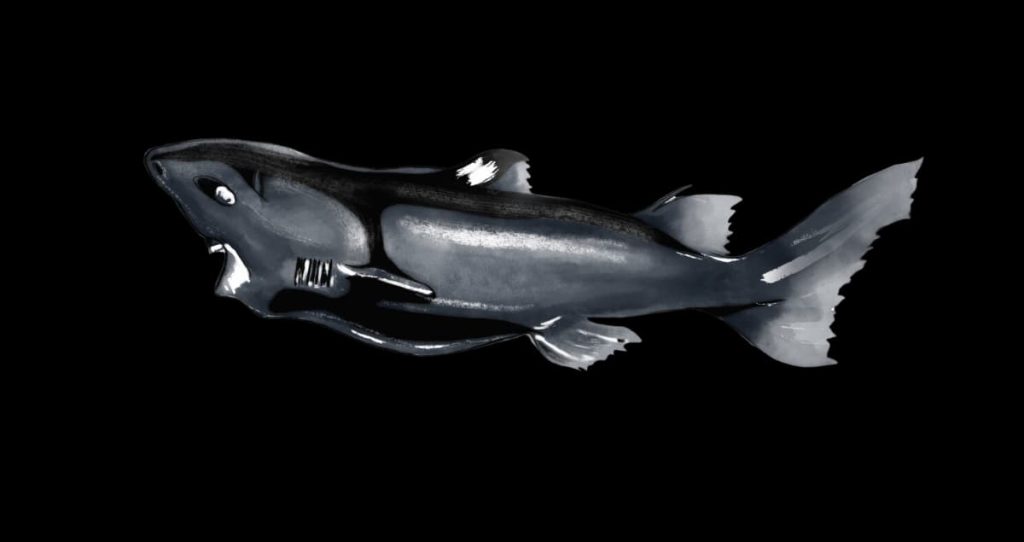
8. Ninja Lanternshark (Etmopterus benchleyi)
The Ninja Lanternshark (Etmopterus benchleyi) is a little, bioluminescent shark tracked down in profound waters off the bank of Focal America. Named for its capacity to create light, this species has brown complexion with light-transmitting organs along its body, assisting it with covering in obscurity sea profundities.
- Found: 2015
- Area: Profound waters off Focal America
- Description: This little shark’s pure black skin and weak bioluminescent markings give it a covert appearance. It’s impeccably adjusted to life in the sea’s profundities.
- Conduct: The ninja lanternshark utilizes its bioluminescence to mix into the encompassing light of the remote ocean, making it almost undetectable to prey and hunters the same.
- Captivating Truth: Its name praises Peter Benchley, creator of Jaws, and mirrors its smooth, secretive nature.
10 Newly Discovered Species: Giant Stick Insect (Phryganistria heusii yentuensis)
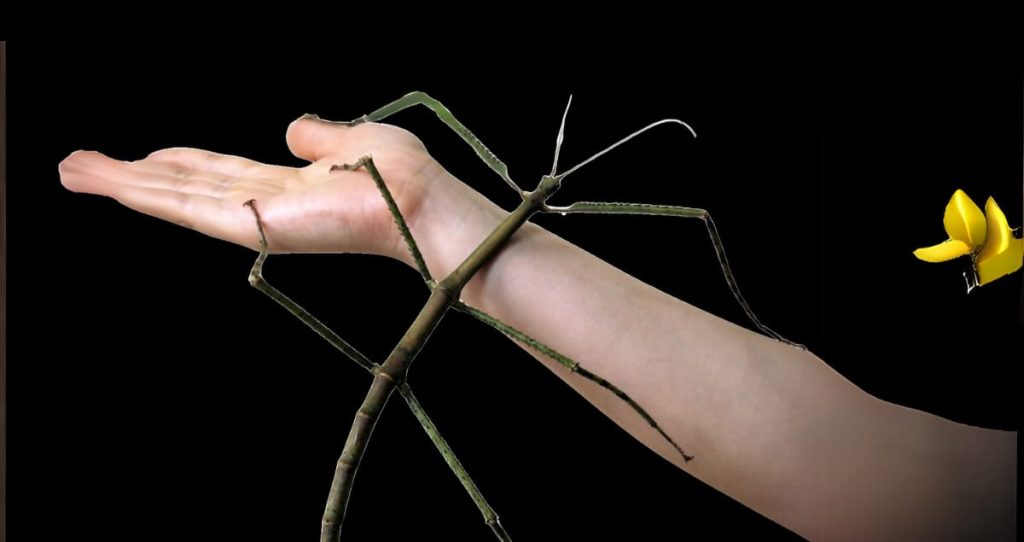
9. Giant Stick Insect (Phryganistria heusii yentuensis)
The Giant Stick Insect (Phryganistria heusii yentuensis) is perhaps of the biggest bug on the planet, local to Vietnam. Known for its momentous capacity to mix into its environmental factors, it looks like a twig or branch, offering compelling cover against hunters. This species can grow up to 32 inches long.
- Found: 2021
- Area: Vietnam
- Description: Estimating more than 22 inches, this is quite possibly of the longest bug on the planet. Its twig-like appearance makes it an expert of mask.
- Conduct: The monster stick bug impersonates tree limbs, staying unmoving for a really long time to sidestep hunters. It benefits from leaves, adding to woods well-being by supporting leaf disintegration.
- Captivating Truth: Its disclosure features the amazing transformations of bugs in tropical environments.
10 Newly Discovered Species: Giant Stick Insect (Phryganistria heusii yentuensis)
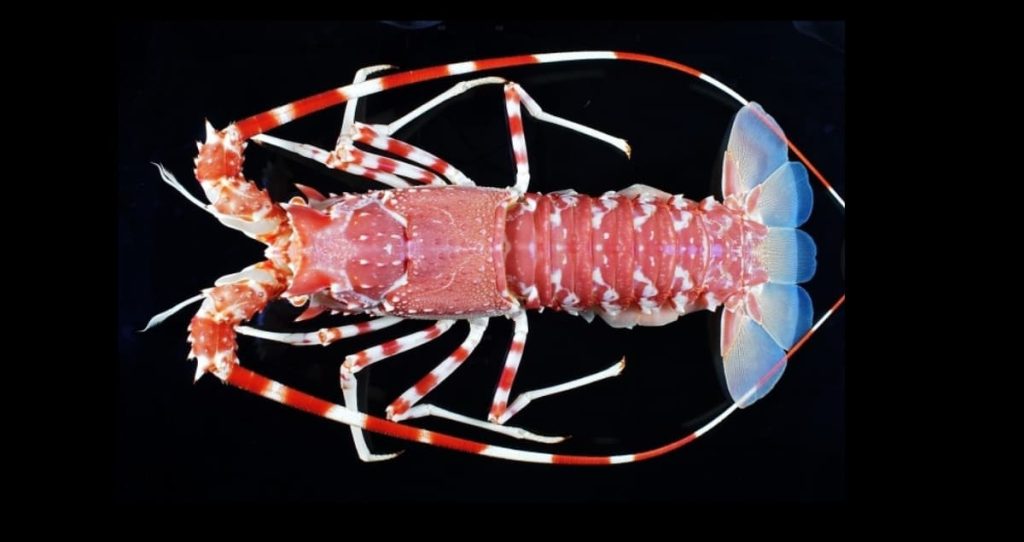
10. Feathertail Lobster (Palinurus barbarae)
The Feathertail Lobster (Palinurus barbarae) is a beautiful and striking marine species tracked down in the waters off the shoreline of the Mediterranean. Known for its lively varieties and long, fluffy radio wires, this lobster is nighttime and favors rough territories, where it stows away during the day and arises around evening time to chase.
- Found: 2020
- Area: Indian Sea
- Description: This lobster is recognized by its quill like members, which help it explore and shield itself in its oceanic climate.
- Conduct: A nighttime scrounger, the feathertail lobster meanders the sea depths looking for debris and other food sources.
- Captivating Truth: Its exceptional tail structure makes it a champion among lobsters, displaying nature’s imagination in development.
These 10 Newly Discovered Species are mind boggling revelations help us to remember nature’s vast secrets, asking us to investigate and safeguard our planet’s secret fortunes.
10 Newly Discovered Species: Conclusion
These 10 newly discovered species feature the endlessness of Earth’s biodiversity, from the stone eating Lithoredo Abatanica to the subtle Clouded Tiger Cat. Variations like those in the Dorado Octopus and Eight-Eyed Spider exhibit nature’s imagination, while the Vampire Wasp and Nereidid Worm uncover entrancing methods for surviving. These are only a portion of the astonishing new species we keep on uncovering.
On our site, we additionally include remarkable species like the Zombie Creepy crawlies, Ninja Lanternshark, and Popa Langur, all highlighting the gigantic assortment of life. Safeguarding these species and their environments is fundamental for the eventual fate of our planet.
These 10 newly discovered species are incredible discoveries remind us of nature’s endless mysteries, urging us to explore and protect our planet’s hidden treasures.
What species will we find straightaway? Remain inquisitive, as nature’s miracles are perpetual!